

By Zach Johnson
The Disney Legends Award ceremony will mark the final day of D23: The Ultimate Disney Fan Event presented by Visa®, a one-of-a-kind, multi-day fan experience showcasing the very best in creative storytelling and innovation from across the worlds of Disney. Hosted by Ryan Seacrest, the event will be filled with tributes and unforgettable moments to honor and celebrate the icons behind the magic who have made a lasting impact on Disney.
This year, The Walt Disney Company’s highest honor will be presented to 13 individuals — Chris Berman, Jerry Bruckheimer, Susan Egan, Eric Goldberg, Anne Hathaway, Bob Iger, Kim Irvine, Dwayne Johnson, the Jonas Brothers, Lin‑Manuel Miranda, and Alan Tudyk — who for generations have defined Disney across entertainment, storytelling, and experiences.
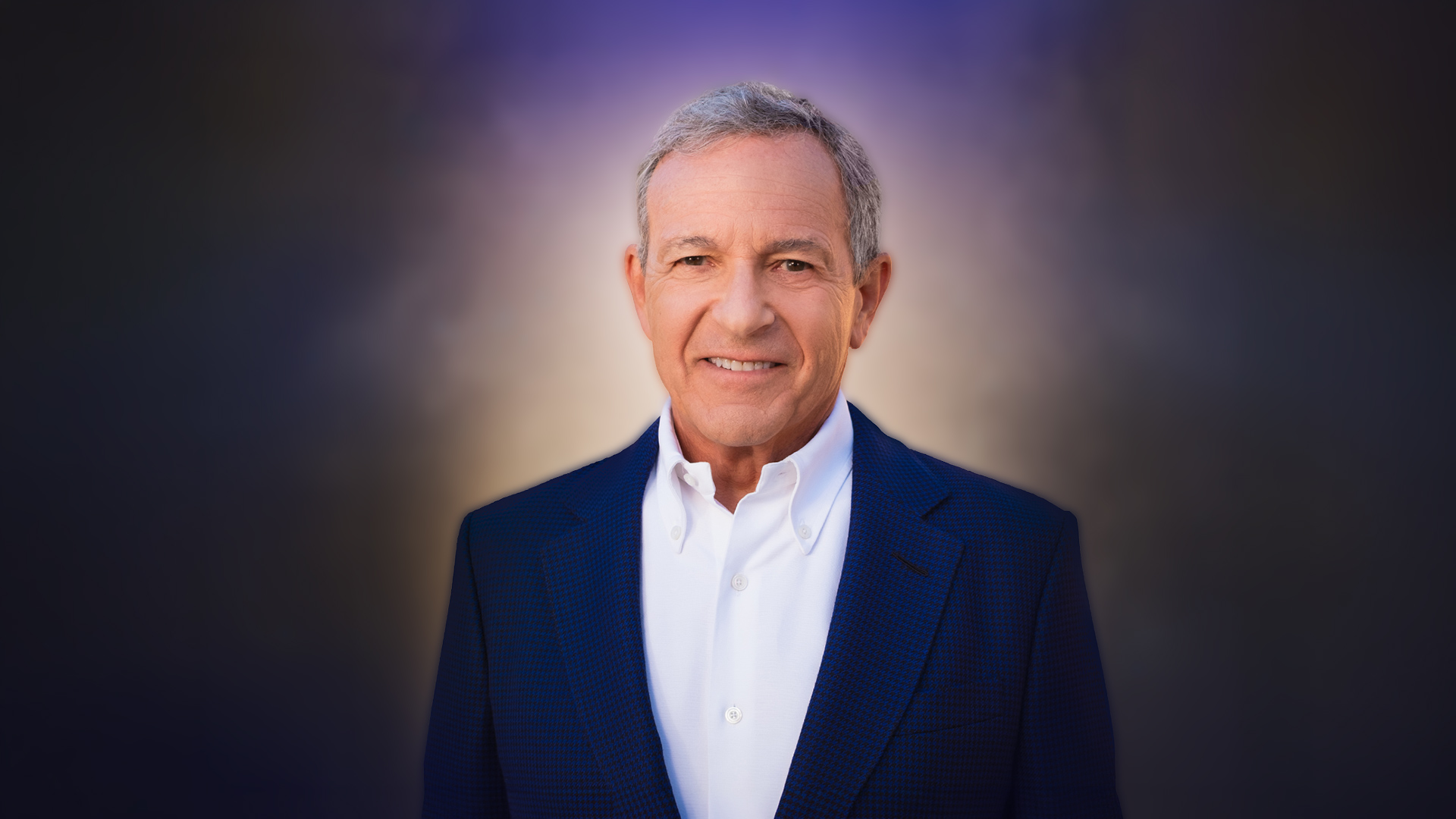
In an exclusive Q&A, Bob Iger — who is being recognized in the Leadership category — reflects on his contributions to the company and what it means to be named a Disney Legend.
How does it feel to be honored as a Disney Legend?
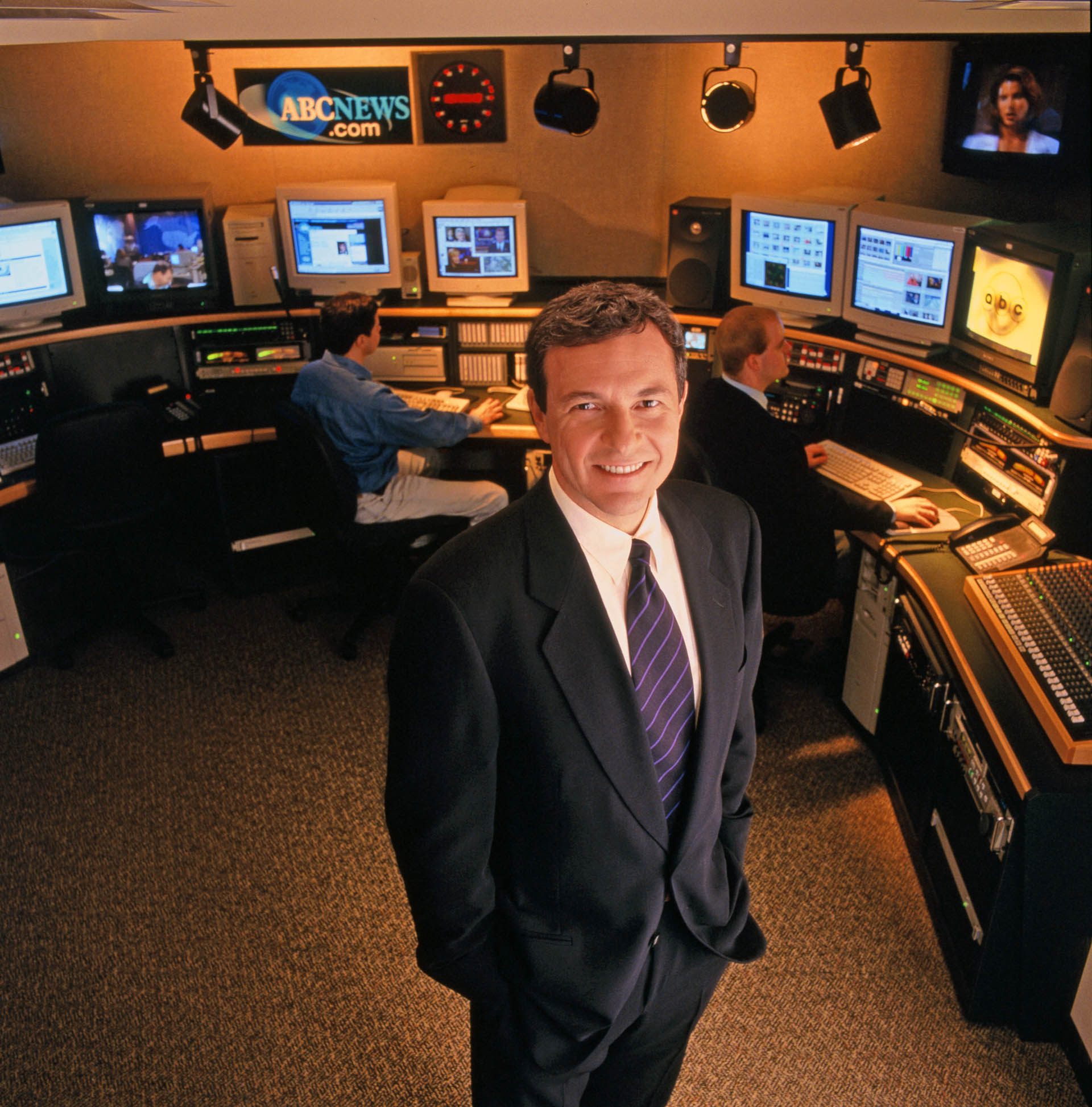
When I started my career at ABC in 1974, I never imagined that one day I would be honored as a Disney Legend. At that point, I was simply focused on doing my job to the best of my ability and learning as much as I could from people around me.
Over the course of my career, Disney became far more than a place where I worked. I've had the privilege of spending more than five decades working alongside remarkable people and helping steward a company built on creativity, imagination, innovation, and remarkable storytelling. Few people get the opportunity to devote so much of their professional lives to something they genuinely love, and I never took that for granted.
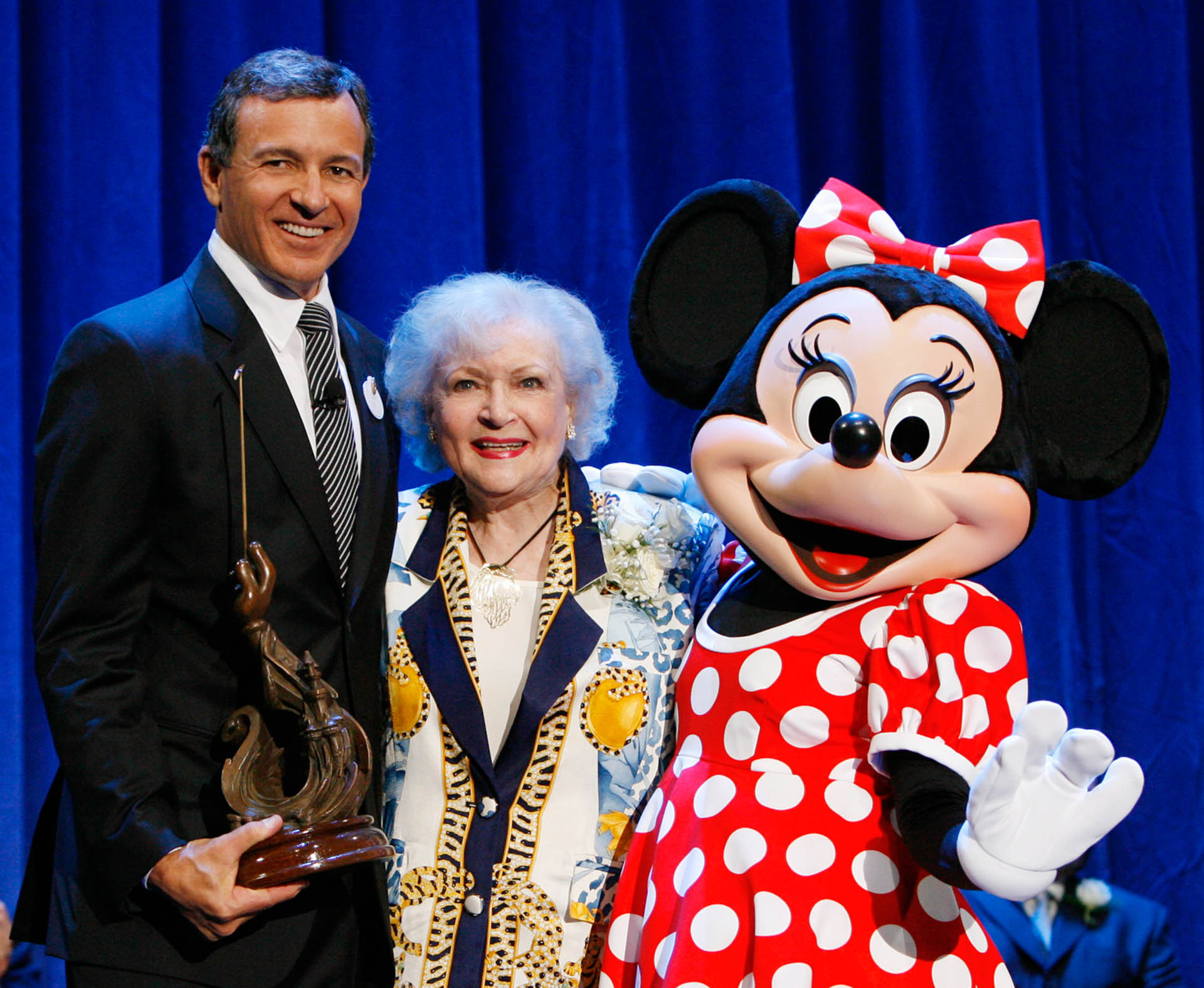
It's also impossible not to think about the remarkable individuals who have been recognized as Disney Legends before me, and about the legacy that began with Walt himself. So many of the people I have admired throughout my career, and had the good fortune to know, have helped shape Disney into what it is today. To be included among them is both humbling and deeply gratifying. I feel on top of the world.
From your perspective, what sets Disney apart from every other company?
I've spent a great deal of time thinking about just that over the years.
What makes Disney different is that almost everyone, somewhere in their life, has a Disney story, or a Disney memory. We are more than a company; Disney is a cultural companion for so many.
It might be the first Disney film they saw as a child. It might be a Mickey Mouse plush toy that never left their side. It might be a family trip to one of our theme parks around the world that they've remembered for decades. Very few companies become part of people's personal memories in that way.
Those experiences are deeply individual, but together they create a connection that spans generations, cultures, and continents. That's what has always made Disney unique. We aren't simply entertaining audiences; we are creating experiences and stories that become part of people's lives.
That connection also carries a tremendous responsibility and everyone who works here understands that we are entrusted with something that means a great deal to people around the world.
During your tenure as CEO, how were you able to protect what makes Disney special while also helping it grow and evolve for a changing world?
I've always believed that great companies need to be clear about what should never change and equally clear about what must.
The values that define Disney, creativity, quality, innovation, and a deep respect for the audience, are timeless. Those values will always endure.
At the same time, the world doesn't stand still. Technology evolves, consumer habits change, new opportunities emerge, and companies that fail to adapt eventually lose relevance.
When I became CEO, I established three priorities: invest in high-quality branded content, embrace technology, and become a truly global company. Those priorities reflected where I believed the world was heading, but they were also rooted in Disney's enduring strengths.
Whether it was expanding our theme parks internationally, embracing streaming, or investing in world-class talent, the objective was always the same: preserve what makes Disney special while positioning it to thrive in the future.
I've never viewed those goals as competing with one another. In many ways, they're inseparable.
As you reflect on your time leading Disney, which moments stand out most to you today?
There are certainly milestones that stand out.
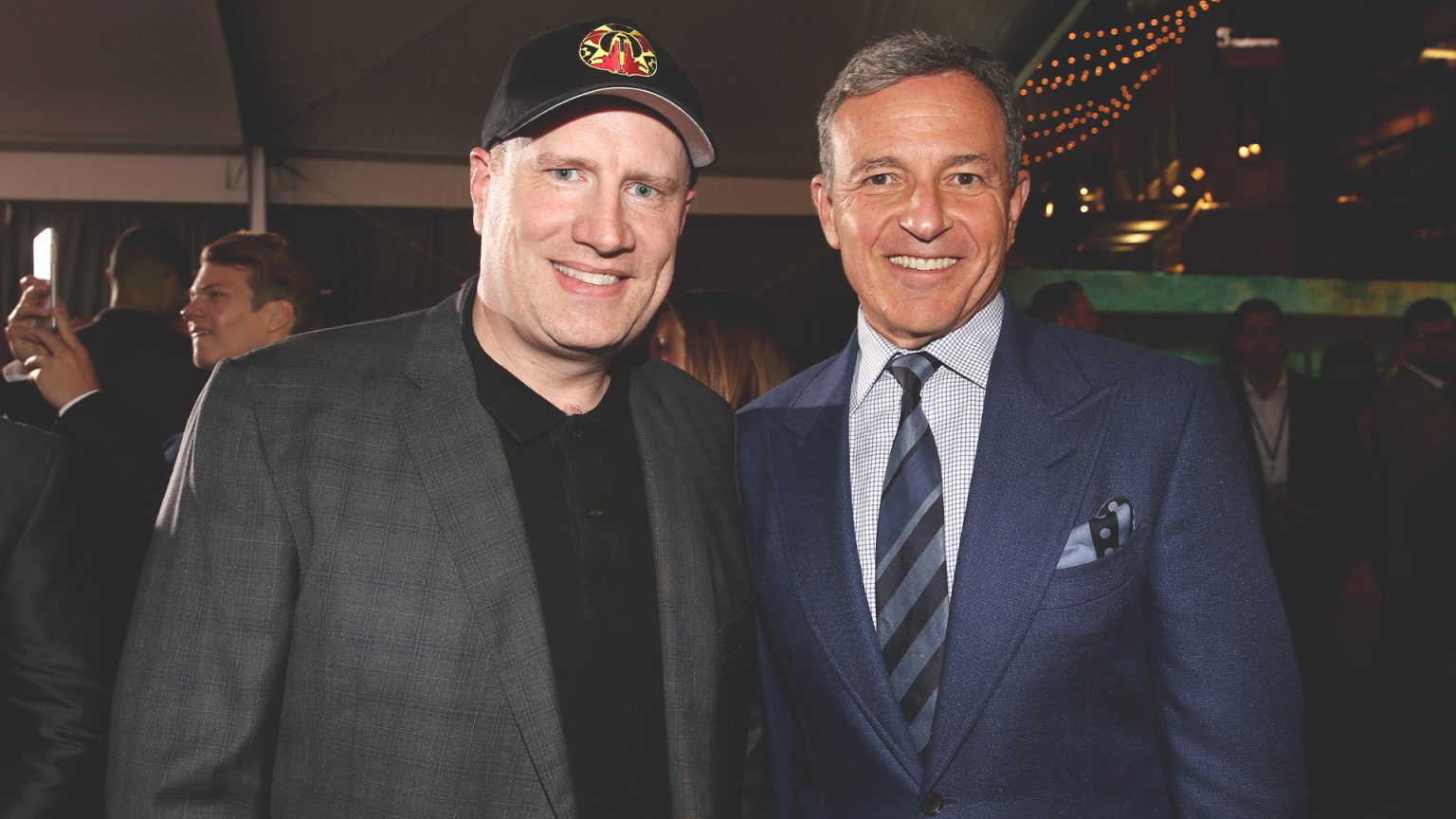
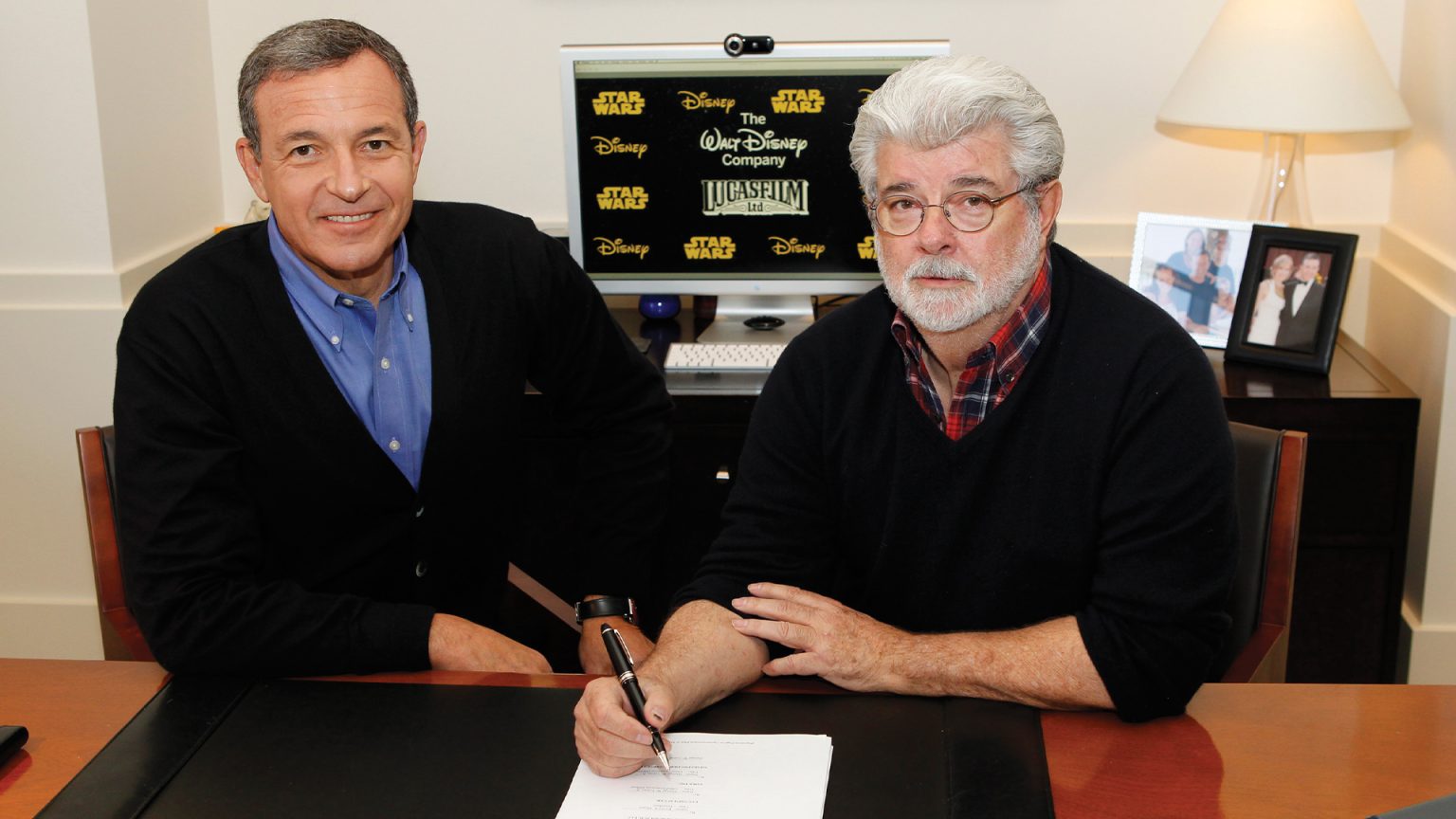
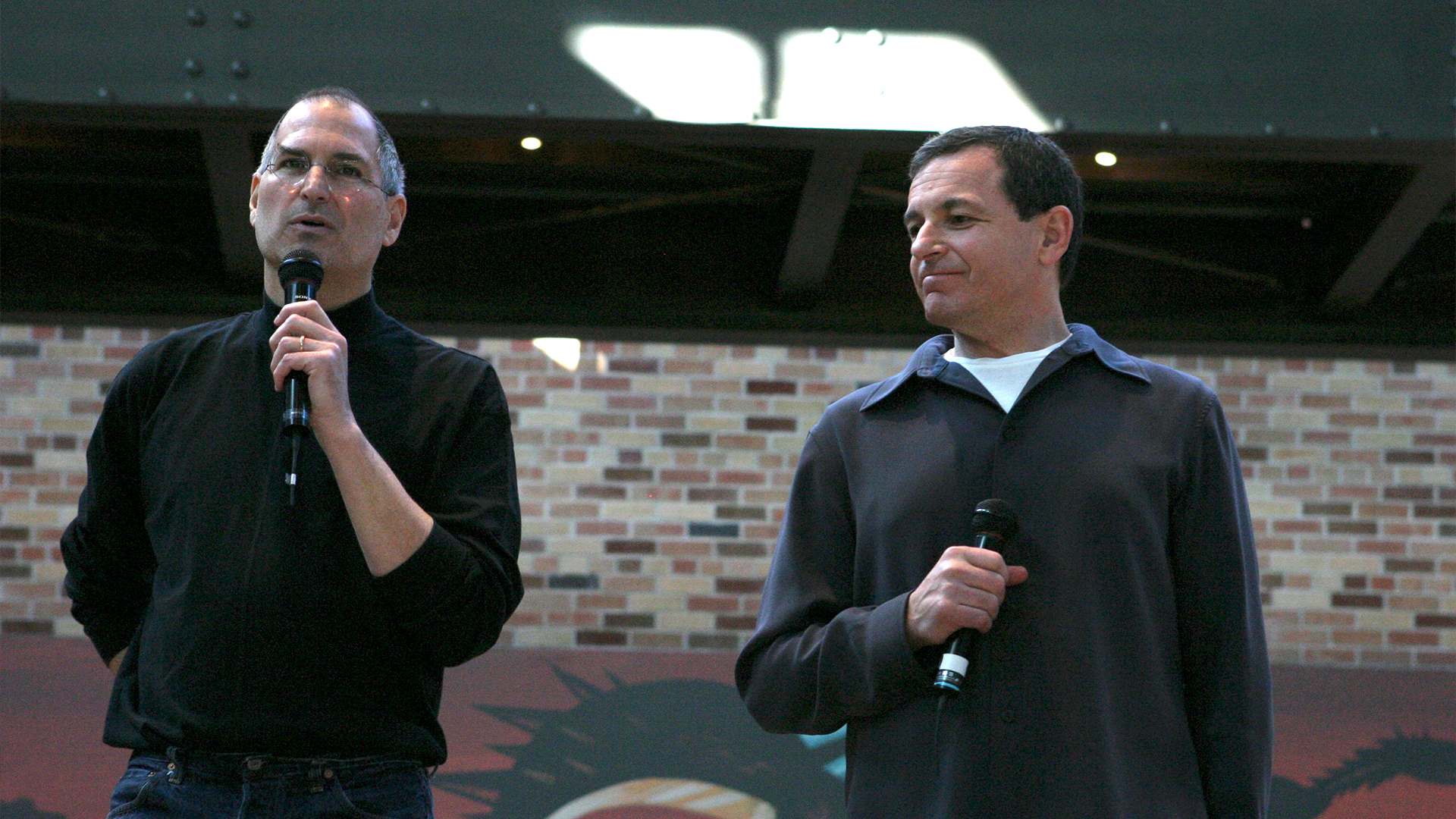
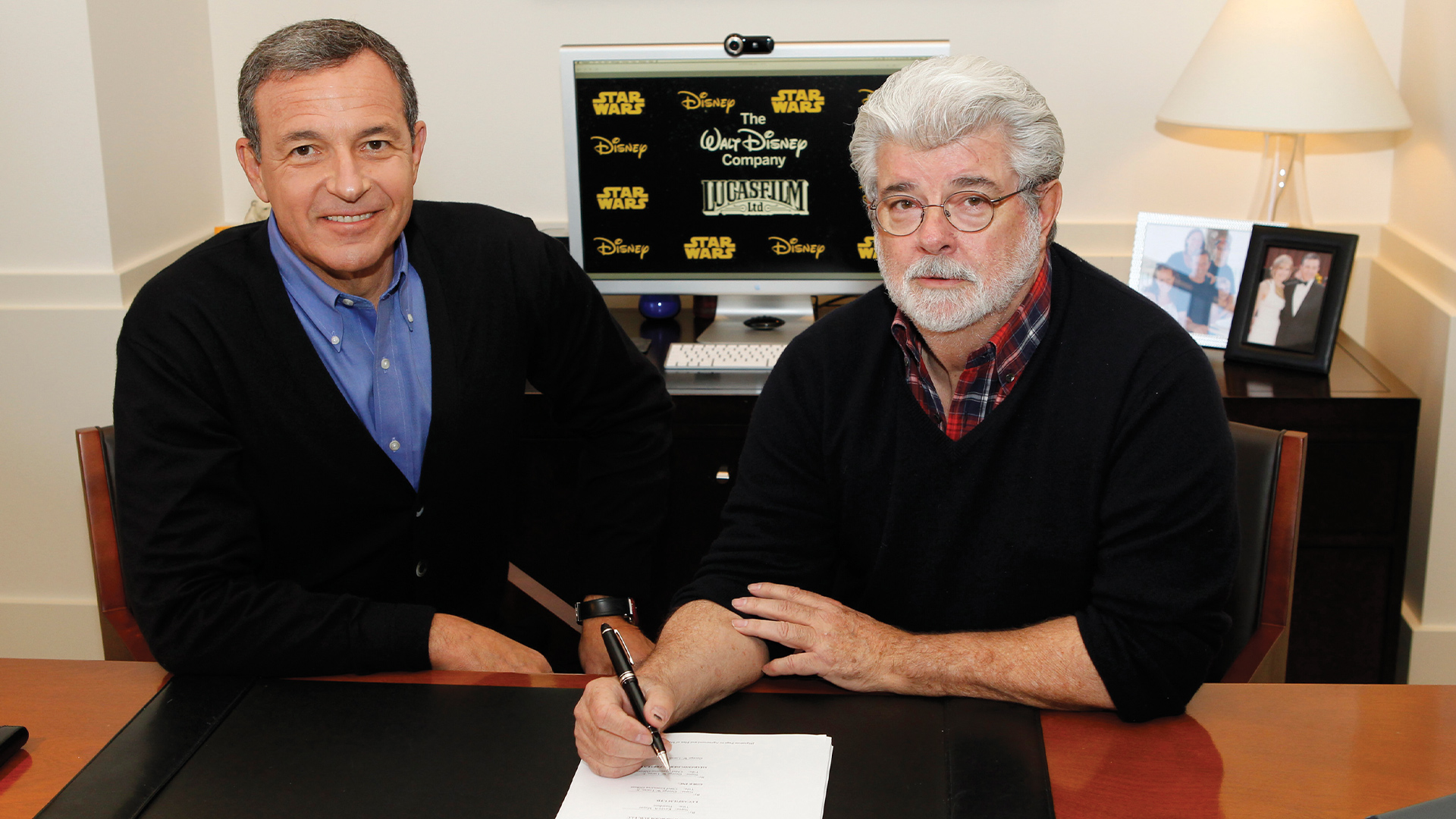
Becoming CEO in 2005. Opening Shanghai Disney Resort. Launching Disney+. Expanding the Disney ecosystem with Pixar, Marvel, Lucasfilm, and 21st Century Fox.
But when I think about those moments, what I remember most is not the transaction or the announcement, it's what those moments represented.
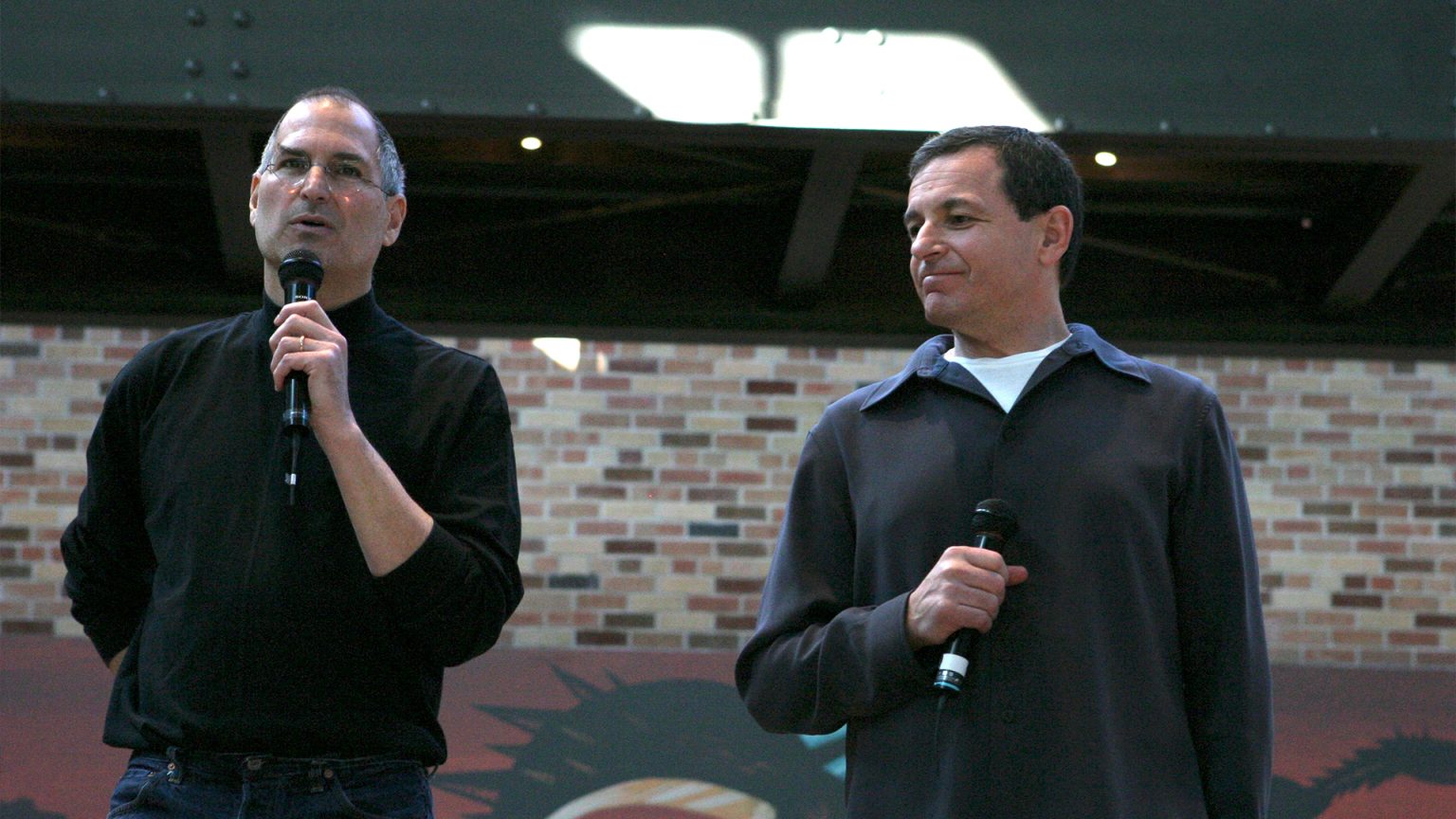
Rebuilding our relationship with Pixar reaffirmed the importance of creativity and technology. Opening Shanghai Disneyland demonstrated what was possible when we combined Disney storytelling with deep respect for local culture. Launching Disney+ ensured that Disney could continue reaching audiences in entirely new ways.
What connects all of those moments is a belief in the future. They required optimism, conviction, and a willingness to take risks and embrace change.
And none of them would have been possible without extraordinarily talented people, and that's true of every success I've been fortunate enough to be associated with during my time at Disney. Disney has always been bigger than any one individual. Its success comes from talented people working together, united by a commitment to quality, innovation, and creating experiences that audiences genuinely care about.
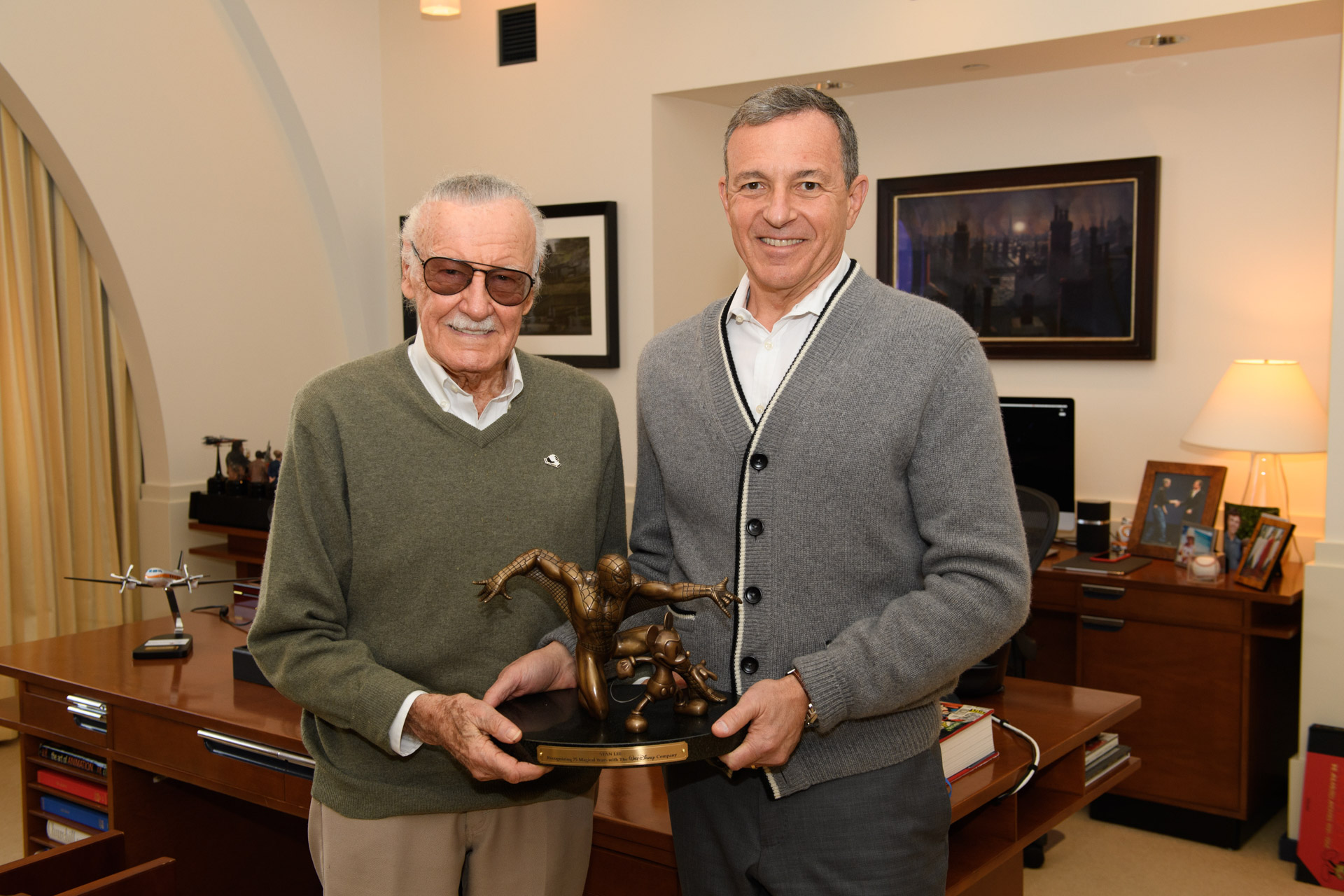
You were behind Disney's acquisitions of Pixar, Marvel, Lucasfilm, and 21st Century Fox — moves that transformed both Disney and the entertainment industry. How did Disney help those brands reach their full potential?
Each of those acquisitions was different, but they all reflected the belief that if you invest in great storytelling, you're investing in something that can endure.
In every case, they had leaders who had built strong cultures and created brands, characters, and experiences that audiences connected with deeply. Our goal was never to change what made those businesses successful. It was to support their talent, preserve their creative cultures, and help them continue doing what they did best.
What Disney could offer was something unique: the ability to introduce those stories to new audiences around the world and extend them across the company in ways few others could. In the case of Pixar, Marvel, and Lucasfilm, a great story might begin as a film, but it could also become a series, a theme park attraction, a consumer product, or a cruise experience.
The Fox acquisition expanded that opportunity even further. It added exceptional talent, strengthened our television and streaming capabilities, broadened our portfolio of stories and brands, and increased our global reach at a time when distribution was changing dramatically.
Ultimately, the measure of success wasn't the acquisition itself. It was whether those brands could continue to grow, reach new audiences, and remain relevant to future generations, and I think that's exactly what has happened.
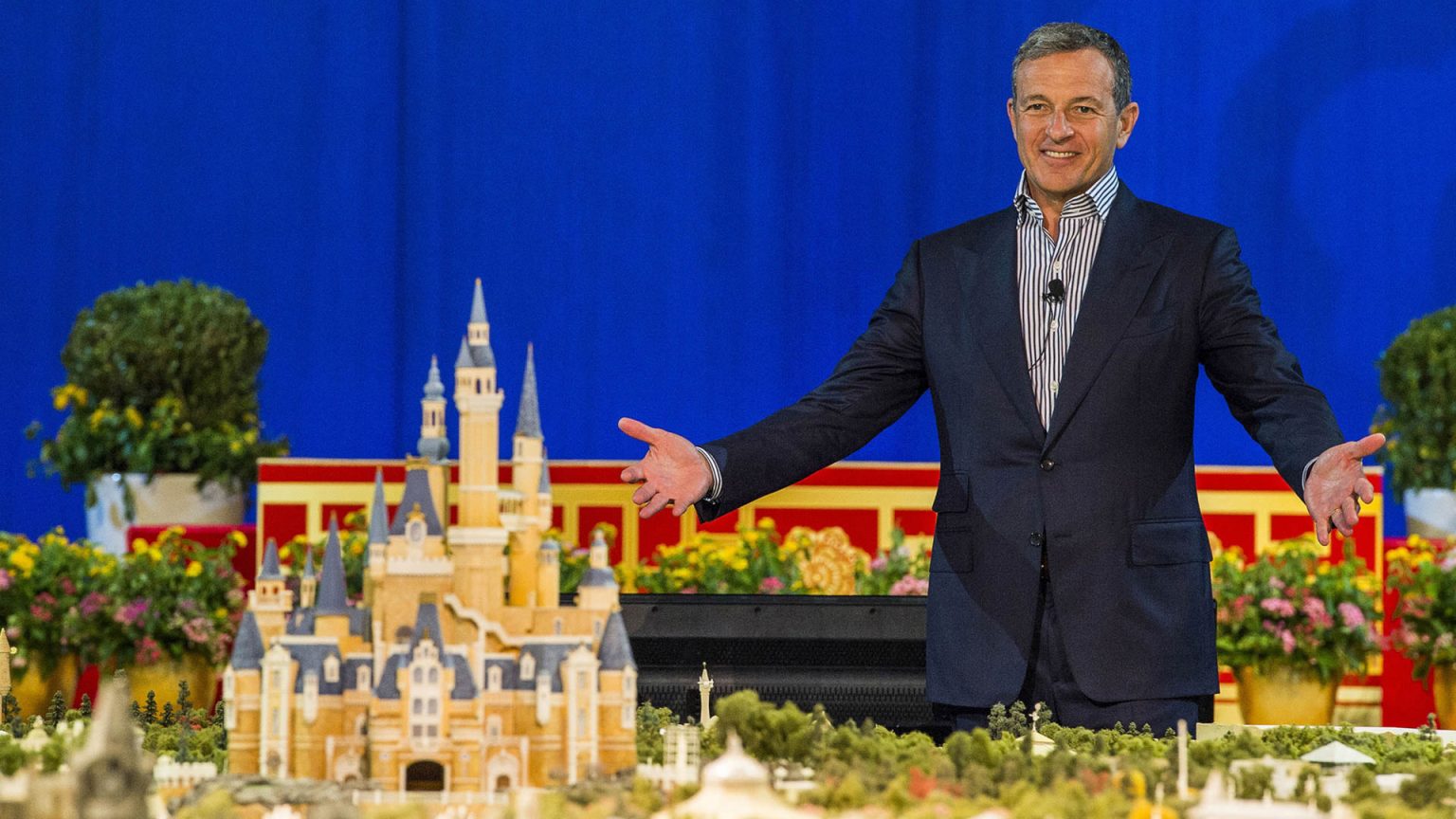
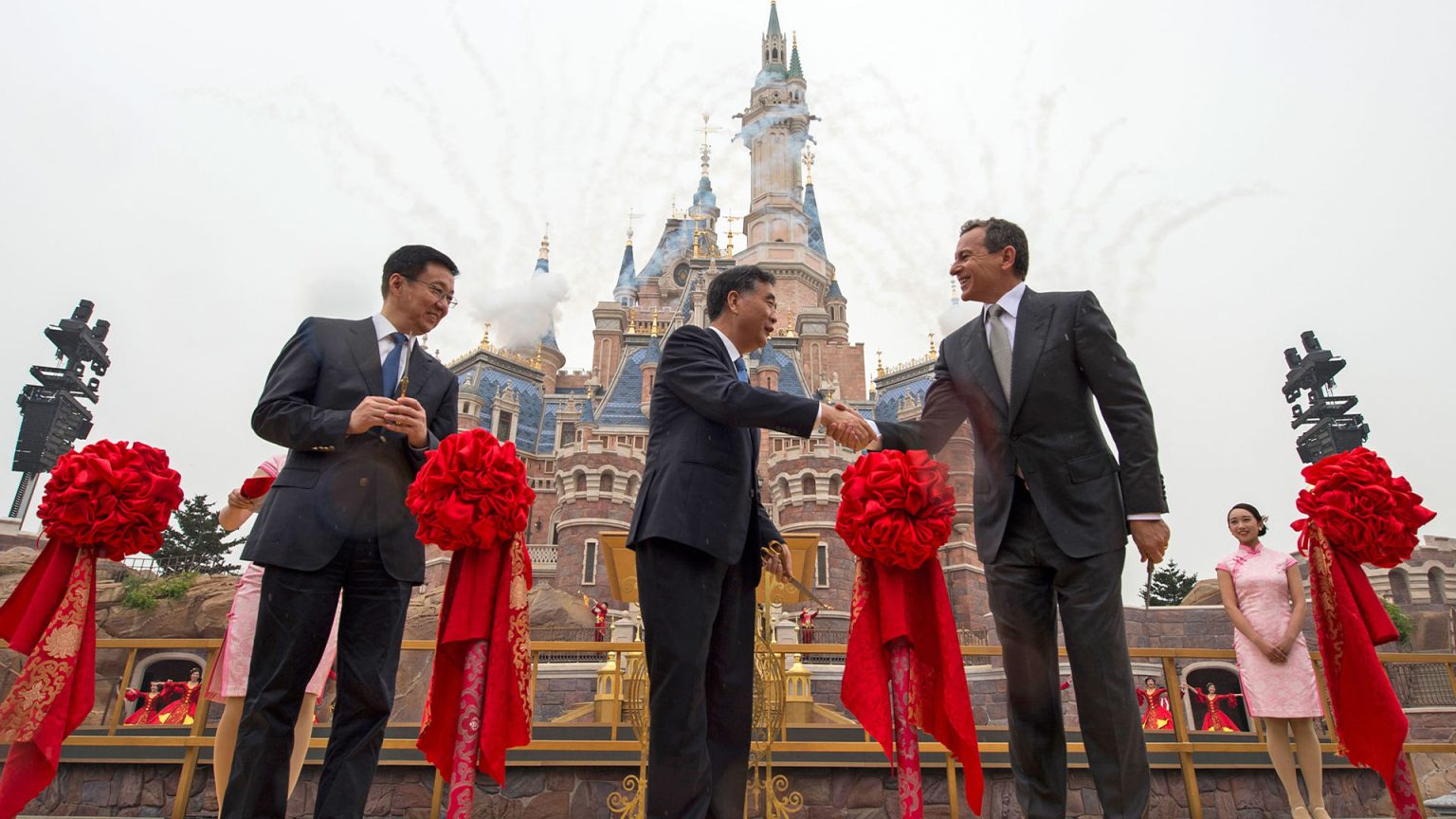
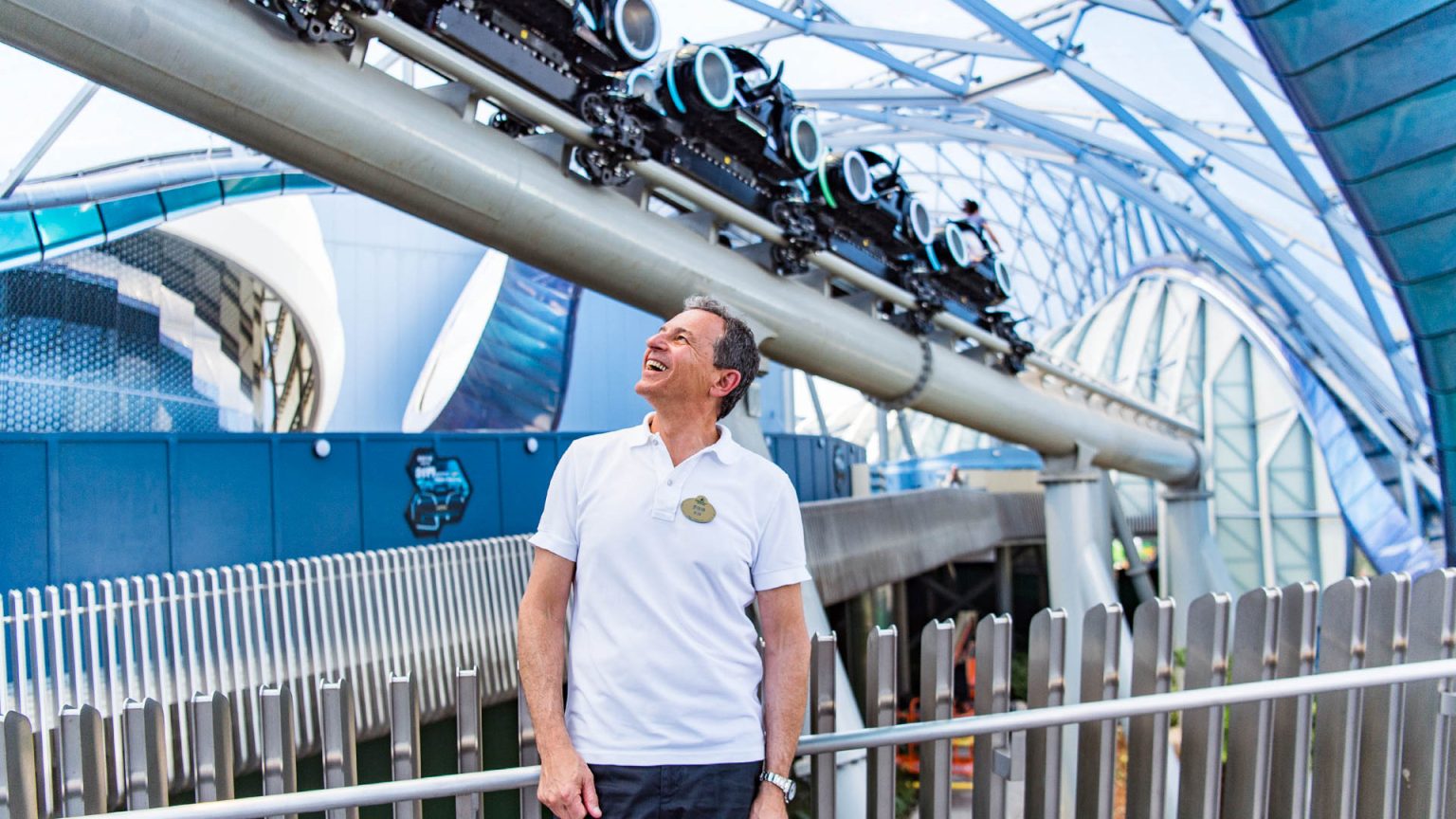
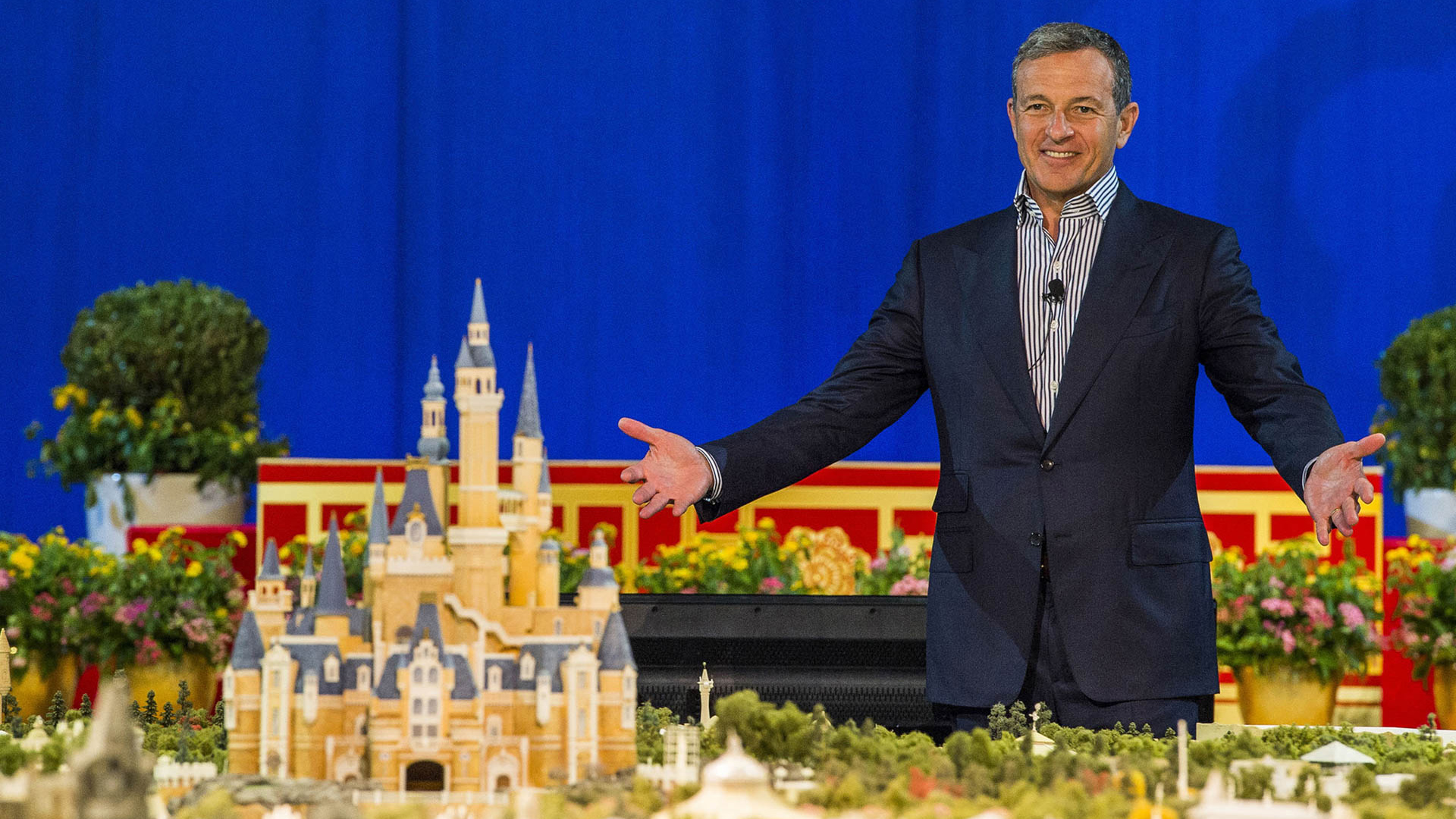
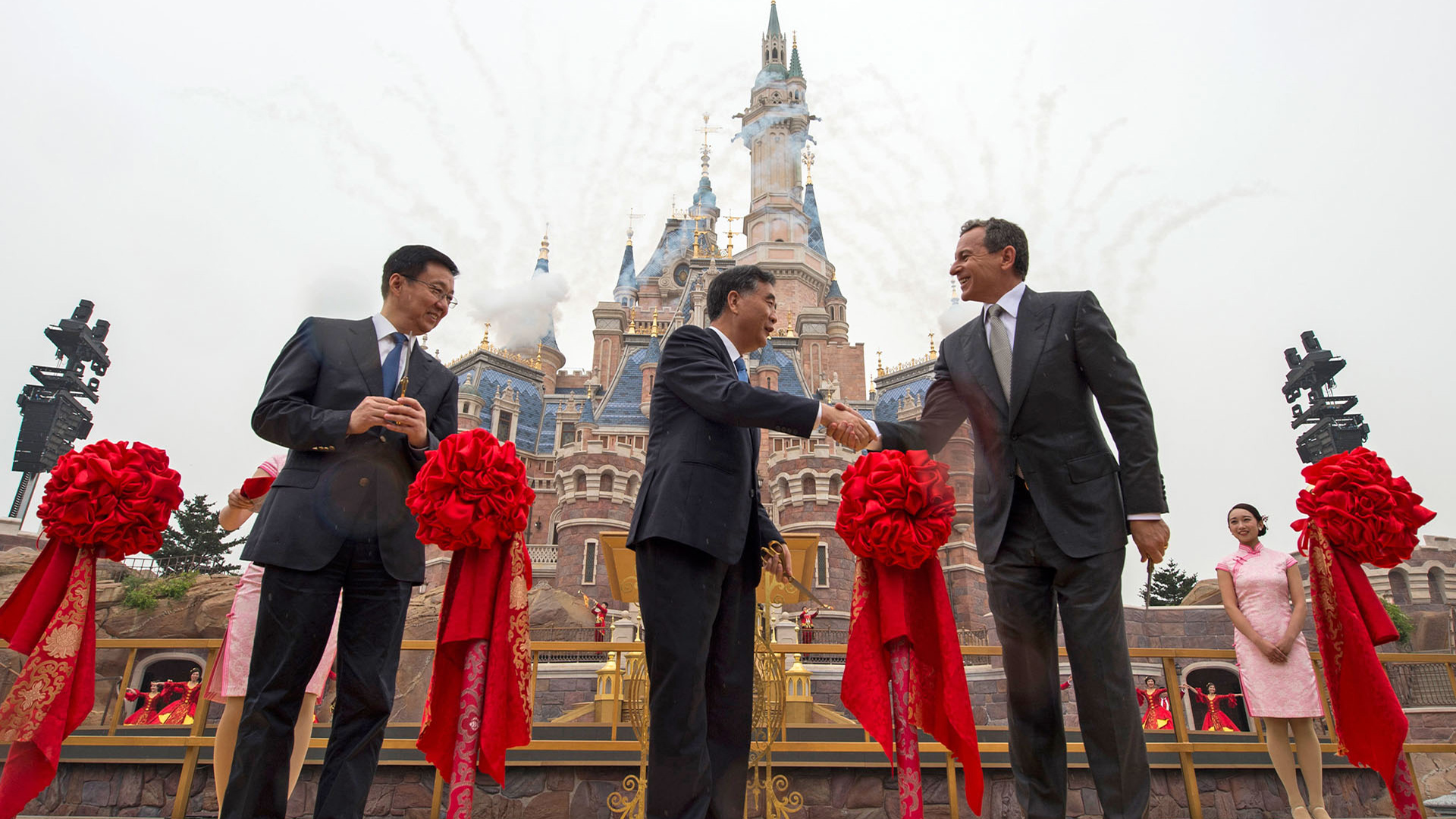
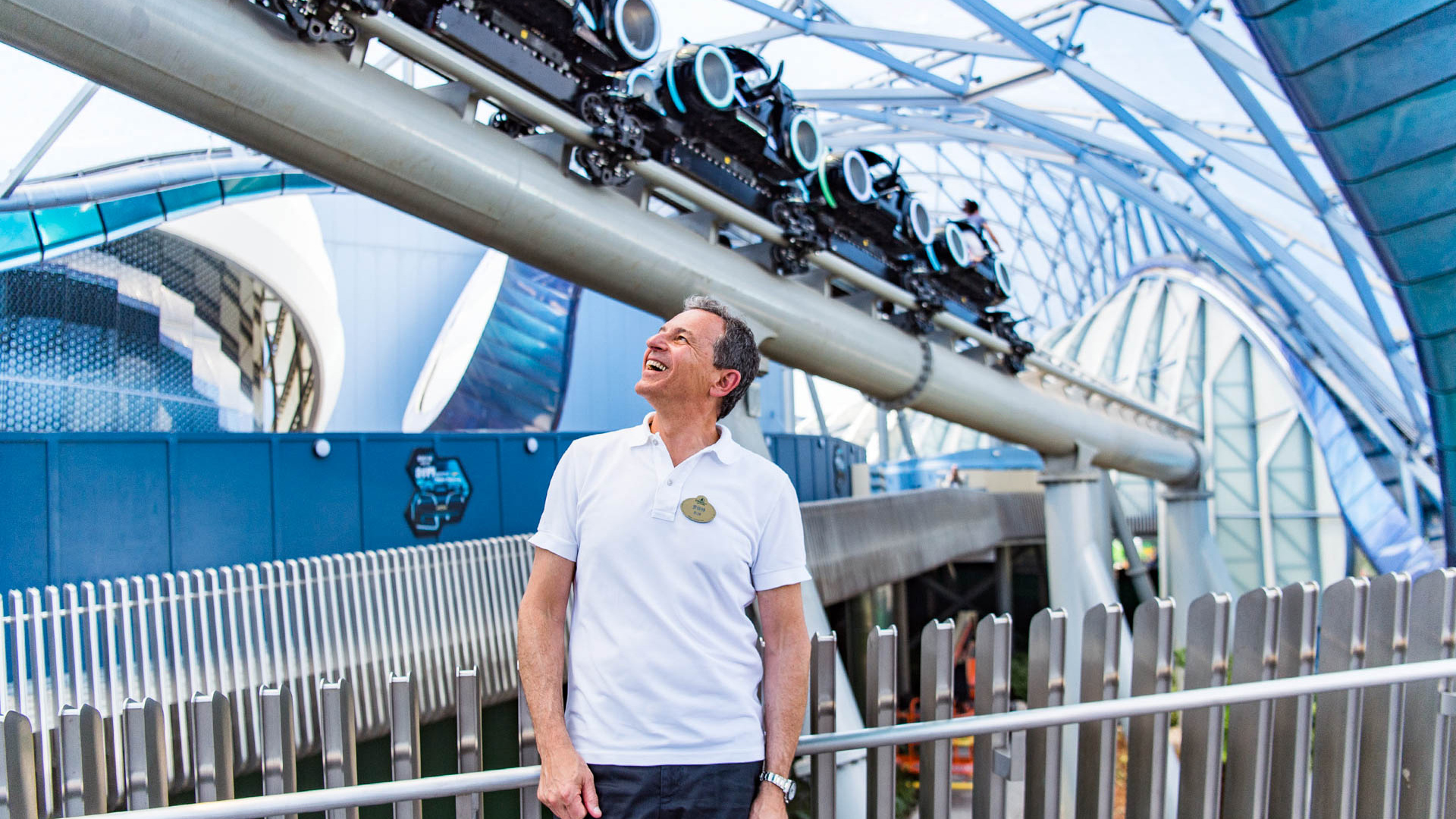
You opened Shanghai Disney Resort in 2016, and Disney has continued expanding its global footprint ever since. Why has global growth been such an important part of Disney's story?
One of my priorities from the beginning was helping Disney become a truly global company. I've always believed that great storytelling is universal, and the themes at the heart of Disney stories — hope, courage, family, friendship, and adventure — resonate with people everywhere, regardless of geography, language, or culture.
At the same time, global growth isn't simply about bringing Disney to more places. It's about understanding and respecting the people you're hoping to reach. Shanghai Disney Resort embodied that philosophy. We described it as authentically Disney and distinctly Chinese because we wanted it to reflect both Disney's heritage and the culture of the people it was built for.
The success of Shanghai reinforced something I've long believed: when you approach people with humility, listen carefully, and remain committed to quality, remarkable things can happen.
Global expansion allowed Disney to reach new audiences around the world, but it also broadened our own perspective. It challenged us to think differently, learn from different cultures, and become a stronger company in the process.
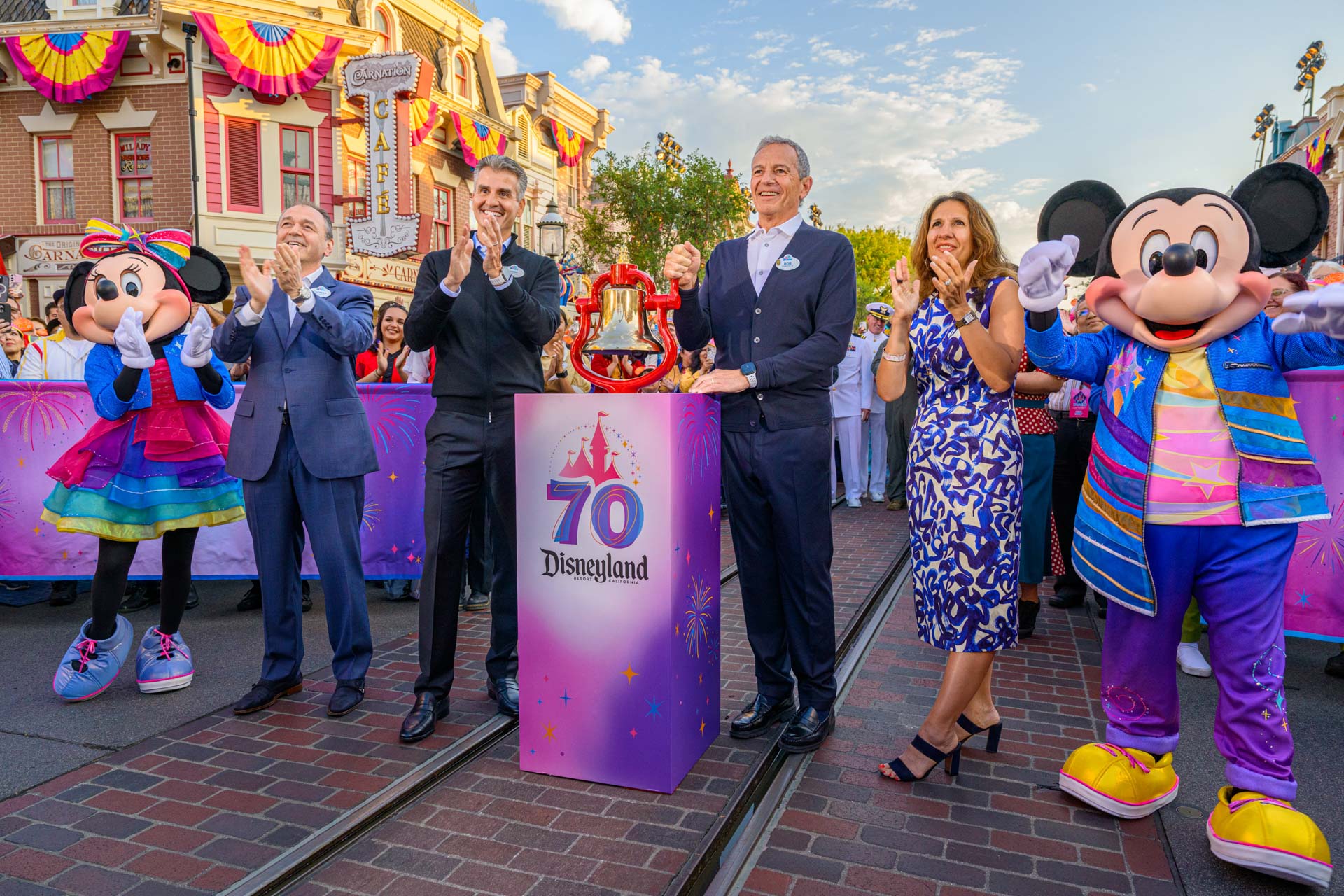
As CEO, you published a memoir in 2019, before you first left Disney. If you were writing an addendum today, what would that chapter focus on?
Well, given that I'm actually working on another book, I probably shouldn't give away too many spoilers!
The first book was largely about building. An additional chapter would, of course, be about returning.
Coming back to Disney gave me a perspective I could never have gained any other way. For the first time in my career, I had the opportunity to step away from the company, observe it from the outside, and then return during a period of significant challenge and change.
If there was a central theme to that chapter, it would be how dramatically the environment for leadership has evolved. We live in a world that is faster-moving, more interconnected, and more volatile than ever before. Information travels instantly, decisions are scrutinized in real time, and issues that once might have unfolded over weeks can now emerge and escalate within hours.
Stepping away and then returning gave me a unique vantage point from which to observe those changes. If there is one lesson I would add to the book, it's that uncertainty is no longer an occasional challenge for leaders; it's a constant. The ability to adapt, maintain perspective, and stay focused on what matters most has become more important than ever.