

By Zach Johnson
The Disney Legends Award ceremony will mark the final day of D23: The Ultimate Disney Fan Event presented by Visa®, a one-of-a-kind, multi-day fan experience showcasing the very best in creative storytelling and innovation from across the worlds of Disney. Hosted by Ryan Seacrest, the event will be filled with tributes and unforgettable moments to honor and celebrate the icons behind the magic who have made a lasting impact on Disney.
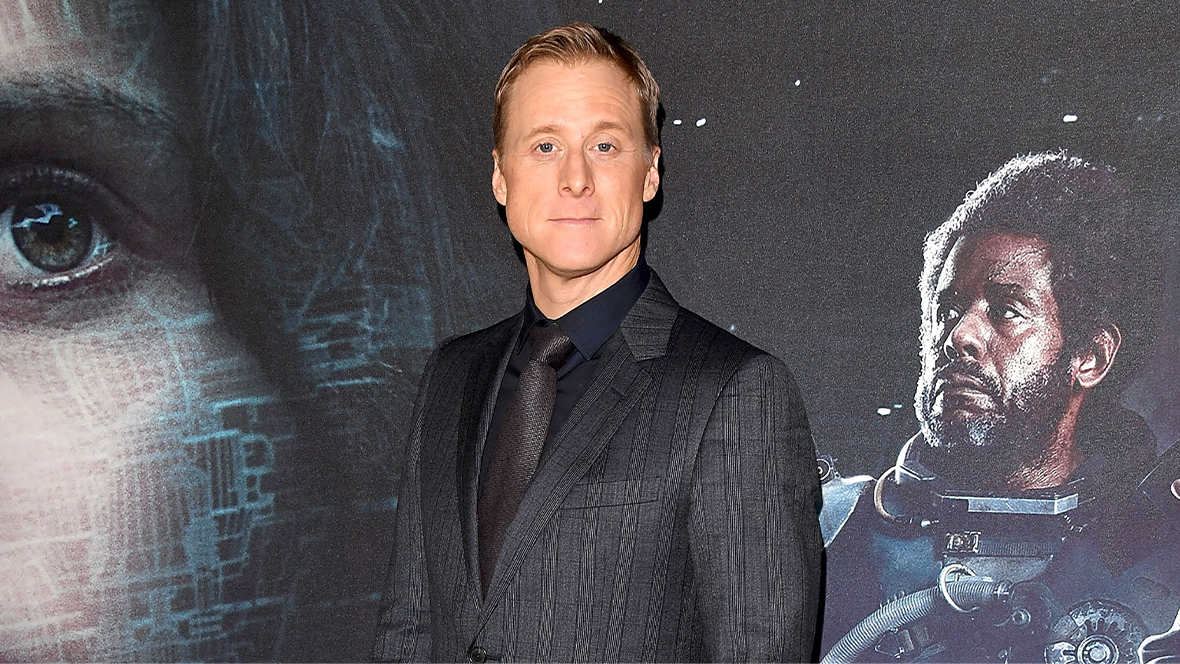
This year, The Walt Disney Company’s highest honor will be presented to 13 individuals — Chris Berman, Jerry Bruckheimer, Susan Egan, Eric Goldberg, Anne Hathaway, Bob Iger, Kim Irvine, Dwayne Johnson, the Jonas Brothers, Lin‑Manuel Miranda, and Alan Tudyk — who for generations have defined Disney across entertainment, storytelling, and experiences.
In an exclusive Q&A, Alan Tudyk — who is being recognized in the Film & Voice category — reflects on his contributions to the company and what it means to be named a Disney Legend.
How does it feel to be honored as a Disney Legend?
I didn't know there would be a trophy. Unlike other awards, where you do work and then there's a contest with other actors, this was not that. This is just doing the work, and then I got a tap on the shoulder and they said, "Hey! We're going to award you legendary status."
It's nice to know that I'm now a Legend. So much better than just talented.
As a child, which Disney films inspired you to become an actor?
I grew up on The Apple Dumpling Gang and all those Disney movies. I remember The Shaggy Dog and The Shaggy D.A. I loved Hot Lead and Cold Feet. Come on! Those are the movies that affected me. They were what I connected to.
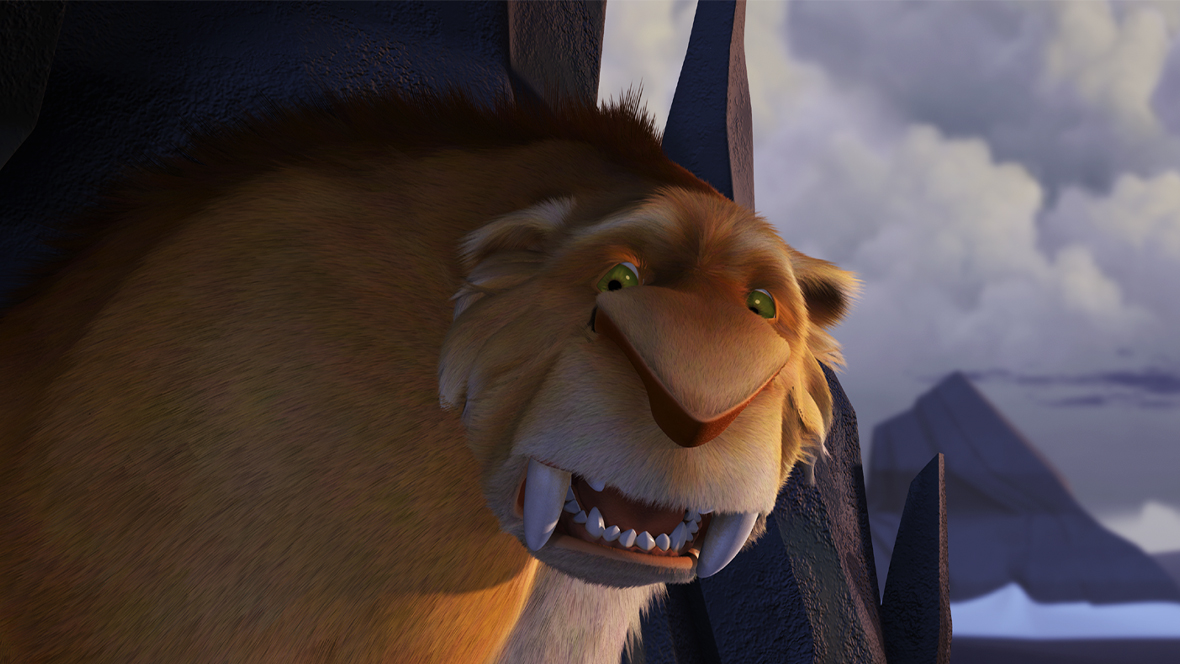
You voiced multiple characters in 20th Century Fox's Ice Age. What lessons from that experience did you carry into your future animated projects?
Ice Age was my first real job doing voiceover. Casting handed me a stack of images of different dinosaurs, and lines were taped to each image. You'd look at a dinosaur, you'd get into [a groove], and then you'd flip it and do another thing. After that, I got three roles. They played them for me, and in two of them, I was like, "That's me." The third one, I was like, "I think this is somebody else." They had to check, because I couldn't hear me at all.
I was changing my voice so much that I found a new voice I didn't even recognize. I did that with the Duke of Weselton [in Frozen] and some other roles. There are different ways to approach animated roles, but it's best to look at how they are animated to find their voice.
How are you able to come up with so many distinct voices for these characters?
Like most actors who voice animated characters, I'm doing voices all the time. It has to be annoying or weird to people who don't know me. I do it a lot. It's become "a thing." I'm always searching for different vocal qualities. I've started recording people with my phone.
I approach voices the way that Disney has taught me to approach voices — by giving me work. I had to figure it out. A lot of times, I'm in this weird position where they'll hand me a role and say, "We'll figure it out when you get here." I've already got the job, so I'm past the point of just trying to guess what people want. I just go in [to the studio] and then we figure it out when I'm there. That's scary, because I can't use any of the other voices I've already used in Disney movies. We have to find something new, so we try different things.
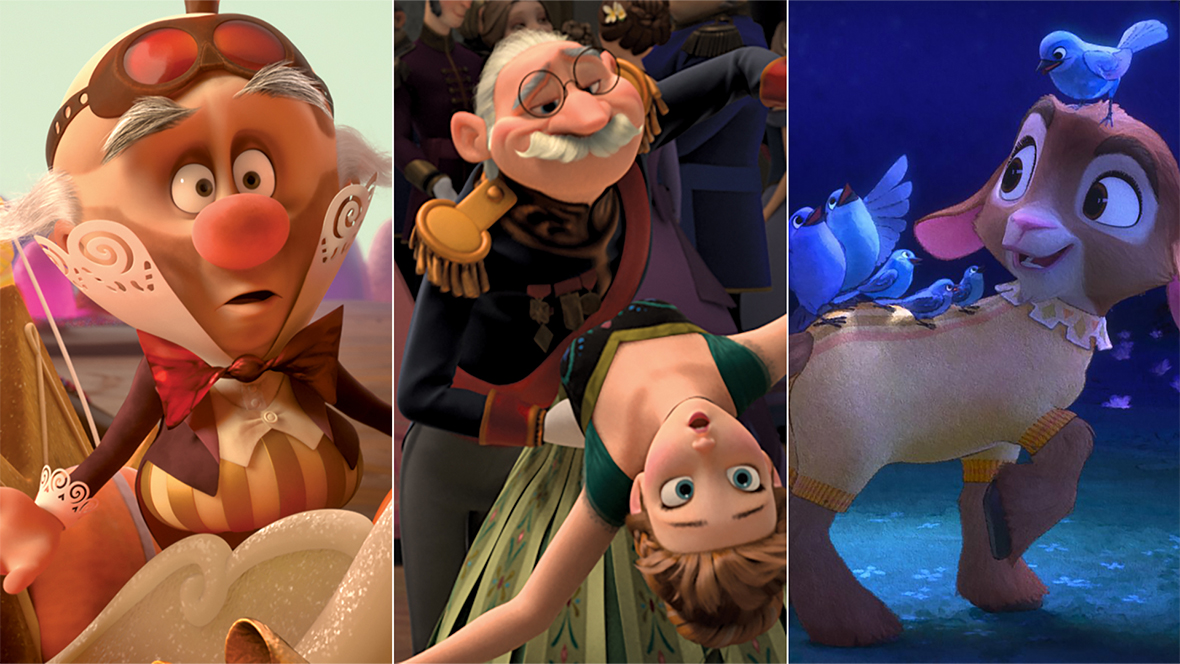
King Candy from Wreck-It Ralph was the first voice I did for Disney... My [manager] said, "Can you do [Disney Legend] Ed Wynn?" I said, "Yeah, I think so." And he said, "Good, because I told them you can and you have to go and do a read-through of this movie called Wreck-It Ralph." It eventually became less like Ed Wynn. There was a little bit of Jerry Lewis coming in, a little Charles Nelson Reilly here and there, and Ruth Gordon. That's my favorite character, King Candy, because he had such a crazy, great arc from, "Huh! I'm fun!" to "I'm going to kill you and your friends." And he turned into a bug and died — as you do.
For the Duke of Weselton, it was [James] Cagney. I watched some Cagney stuff to understand the way he made sounds and spoke, to see the way his vowels sounded. For Valentino in Wish, we were just playing around. There was an animation of Valentino — the cutest little goat in the world — wearing little pajamas, and he was following Wish, the star. We were trying all these higher voices, and sweeter voices, but nothing was really working. Then I just said [in a deep voice], "What if he sounds like this?" We did the lines like that, and I thought, "All right! I think this is going to work." I then said, "Who knew my voice would be so low?" And then they put that line in the movie, which was pretty cool.
In 20 Century Fox's I, Robot, you played Sonny through a combination of motion capture and voice work. What was the biggest challenge in making him feel real?
I, Robot was great. Doing a motion-capture role is very theatrical, but it is also this place that isn't [fully] on camera. You're there on set as they're mapping your physical place in the world. But mainly, people are hearing your voice, so it has similarities to a voiceover.
Finding Sonny was the best part of the job. I came up a month early to Vancouver, where we shot it, and I was in a studio with a theater director, and we were watching all these crazy movies of Japanese Noh theatre and mime and clowning — all these physical things — trying to map how he expresses himself physically. You don't get to do that in movies! And his voice was one that, if you had programed a computer to speak, he would speak in the proper way. Luckily, I went to Juilliard, where they taught me to speak in the proper way, which was absolutely annoying when I was there and absolutely invaluable later in life.
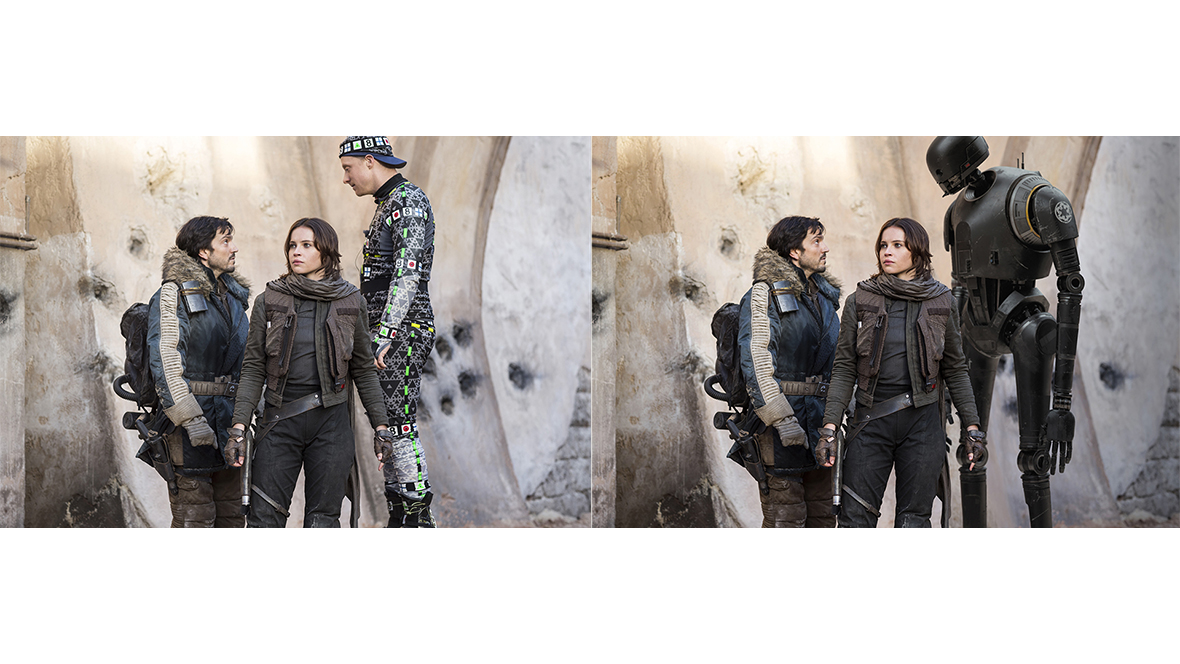 Moving onto Star Wars, not only did you voice K-2SO in Rogue One, but you did the motion-capture performance. What comes up when you reflect on that experience?
[Director] Gareth Edwards came from the world of visual effects and was a very, very genuine collaborator and a great guy. He was trusting in a way that blew me away. Shooting Rogue One was amazing. I traveled all over the world, in my little motion capture suit, with, Diego Luna and Felicity Jones. I got to play Star Wars in a way that you could only imagine.
How did it feel to reprise that role in Andor on Disney+?
It was great to come back and see Diego again. I hadn't seen my stilts since we finished Rogue One, and they still had stickers on them and scuff marks. I lived with those things.
Going back, what are some of your fondest memories from starring in Fox's Firefly?
Well, that was my first spaceship I ever flew in. Firefly was a different TV show. I got the sides, and I knew it was Joss Whedon. I knew it was set in space with no aliens. I was like, "That's interesting." I knew that they were criminals — but they were criminals with heart.
The scene that I had to read was me playing with plastic dinosaurs. I auditioned, but I didn't hear anything back for over a month. Then, I was in Los Angeles testing for a different TV show that didn't happen, when they said, "Before you go back to New York, Firefly wants to test you." I said, "I don't even know what that is." And they said, "But you auditioned." And I said, "I'm pretty sure you didn't." Then they said, "There were dinosaurs..." I said, "Oh, yeah!" And I went in and I got it. That really changed my life. I then moved to L.A., and I've since flown, like, six spaceships and I've wrecked four of them — one of which was in Rogue One.
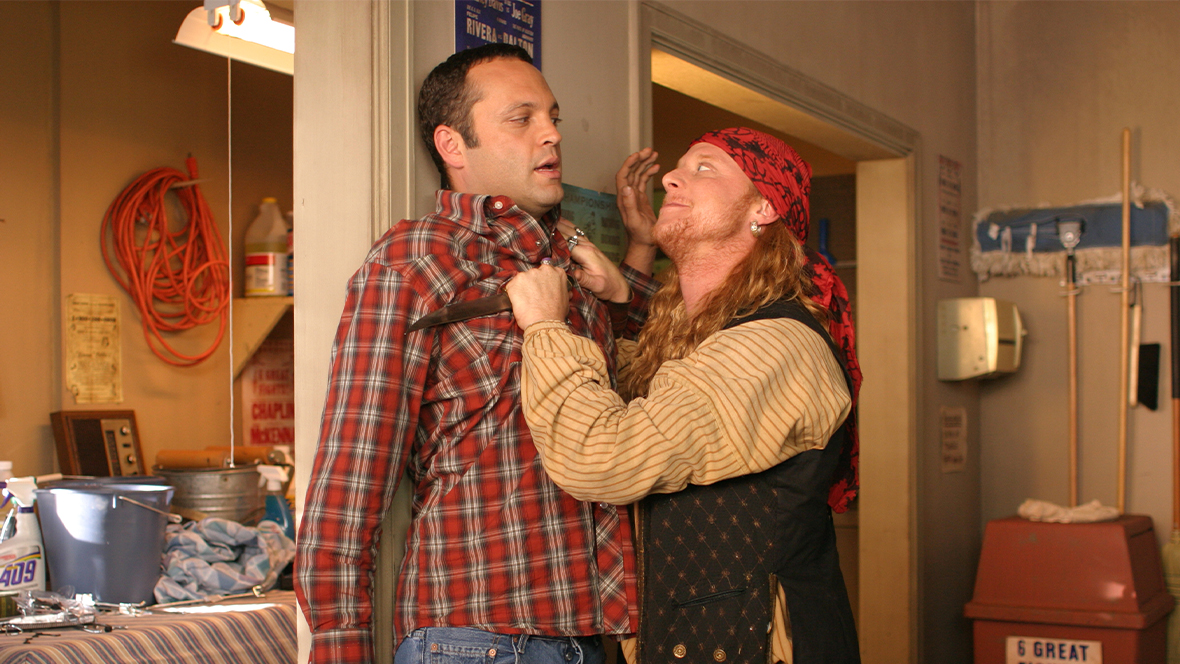
Any fun memories from filming Fox's Dodgeball: A True Underdog Story?
It was a good comedy structure. When I first read Dodgeball, I remember calling my manager and saying, '"This is funny. If they cut that pirate character, I think it's a hit." He said, "You need to reread it, and read for the pirate." I didn't get it in the beginning. But I went to the audition, and I recognized a lot of the actors, and they were good. I was like, "Obviously, they know something I don't, so let's try to do a good job." Somehow, I got it.
What's been the most rewarding part of being part of so many iconic Disney films?
The most rewarding thing for doing Disney movies is I get to meet a lot of kids. The thing about animation is no kid is going to see me in a crowd and go, "Oh, that's him!" They don't do that. So, you have to put on a little show. I'm not one of those actors who goes, "Don't you know who I am? I did this, and this, and this." But when it comes to kids, I'll go, "Hey! Let me ask you a question. Have you ever seen Frozen?" The answer is always yes. "Do you remember the Duke of Weselton who dances like a chicken and has the face of a monkey?" I start doing the dance, and I do the toupee bit. Then it registers, and they jump a little bit.
Hei Hei [from Moana] is fun to sign an autograph for. The kids are always looking at me like they've been lied to, so I'll say, "Want to hear one of his lines?" I start scribbling all over and [making increasingly loud chicken squawks]. The kids get so excited, jumping around and smiling and laughing. That's a pretty great gift. I was given the role of Hei Hei, which was four hours of my life on a microphone. Because of that, I get all these interactions with kids who think it's so much fun because he's a chaos agent and they identify with him.