

By the D23 Team
Ready to take a step back in time and visit the Disneyland of yesteryear? Oscar®– and Emmy®-nominated filmmaker Leslie Iwerks returns with Disneyland Handcrafted, an all-new documentary giving viewers an up-close look at the dedication, effort, and passion that was required to realize a dream that would go on to inspire millions around the world.
The film, premiering on Disney+ and Disney’s YouTube January 22, takes audiences on an insider journey of building the iconic park from the ground up to its memorable Opening Day. Viewers will marvel at rarely seen footage that sets the scene of how The Happiest Place on Earth came to be!
As you might imagine, the film features a veritable “who’s who” of Disney Legends—some of whom are recognizable, but others who may not be as perceptible (at least to all but the most scholarly Disney fan)… Well, that’s what D23 is here for: to take you deeper into magical Disney lore! So read on to learn about the amazing Disney Legends—listed in alphabetical order—you’ll meet when watching Disneyland Handcrafted. (You can read more about each of these icons in the Disney Legends section of D23.com.)
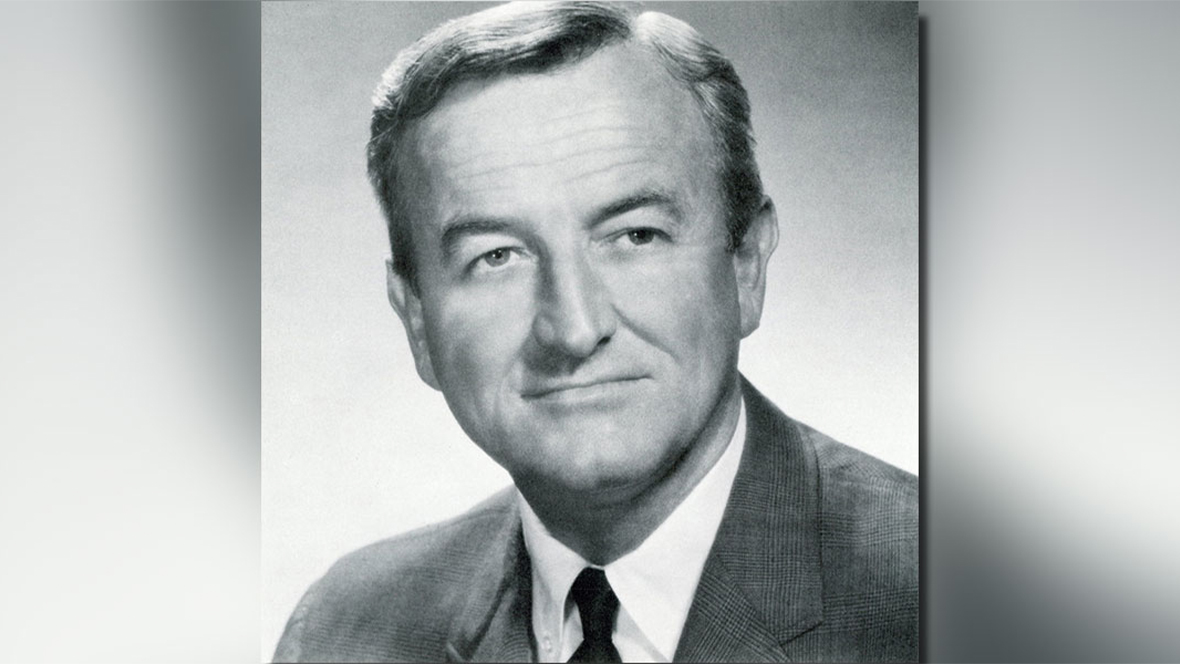
Milt Albright
Milt Albright was a young man living in late-1930s Missouri when he saw a Time magazine story about his hometown hero, Walt Disney—and said to himself, “Shoot! If another guy from Missouri can do it, I need to get with this outfit!” After moving to Hollywood, he began in the Disney payroll department in 1947, and eventually became the manager of accounting for Disneyland. Fun fact: He came up for the concept of Disneyland’s Grad Nite, a staple for Southern California high schools to this day—and one that delighted students for decades, until recently, at Walt Disney World.
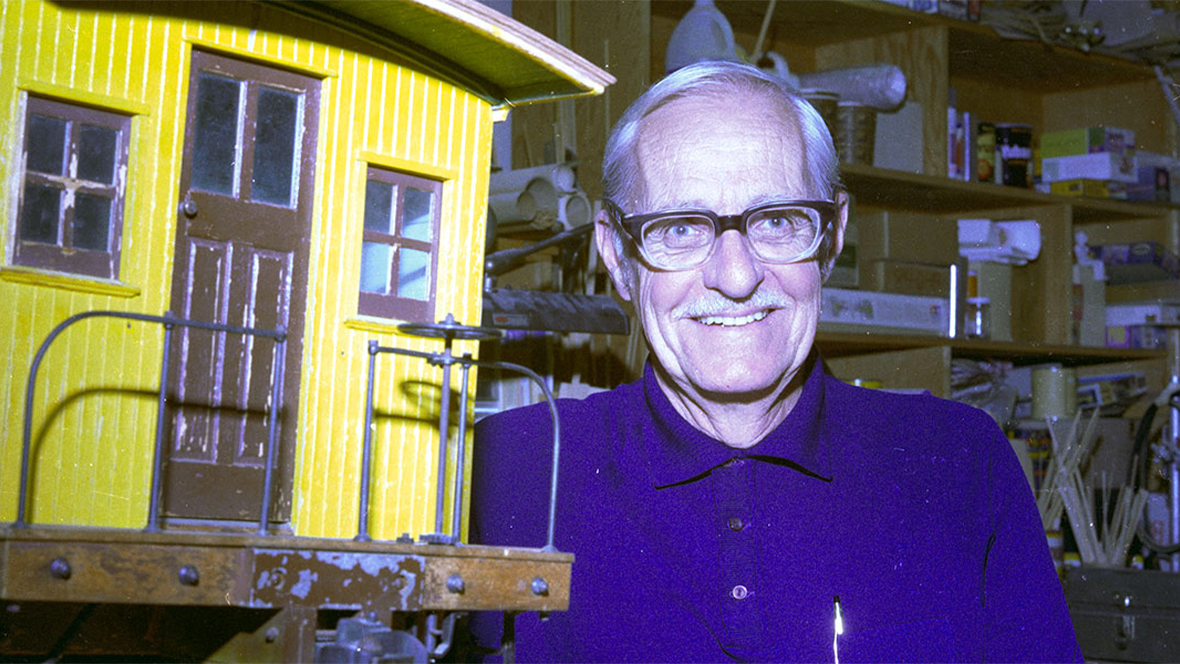
Roger E. Broggie
Walt Disney’s original Imagineer, Roger Broggie built everything from steam locomotives to electronic robots that could sing and dance. Gifted with mechanical genius, there wasn’t anything he couldn’t do or figure out how to do. He joined Disney in 1939; among his first assignments was installing the complicated multiplane animation camera equipment at Disney’s new Burbank studio lot. In 1949, Broggie helped Walt build his own miniature trains in the Studio Machine Shop and went on to install Walt’s backyard railroad at his Holmby Hills home. He was then instrumental in developing the Disneyland and Santa Fe Railroad in Anaheim. Ultimately, Broggie and his team would go on to prototype the Audio-Animatronics® figure that would become Great Moments with Mr. Lincoln for the 1964-1965 New York World’s Fair.
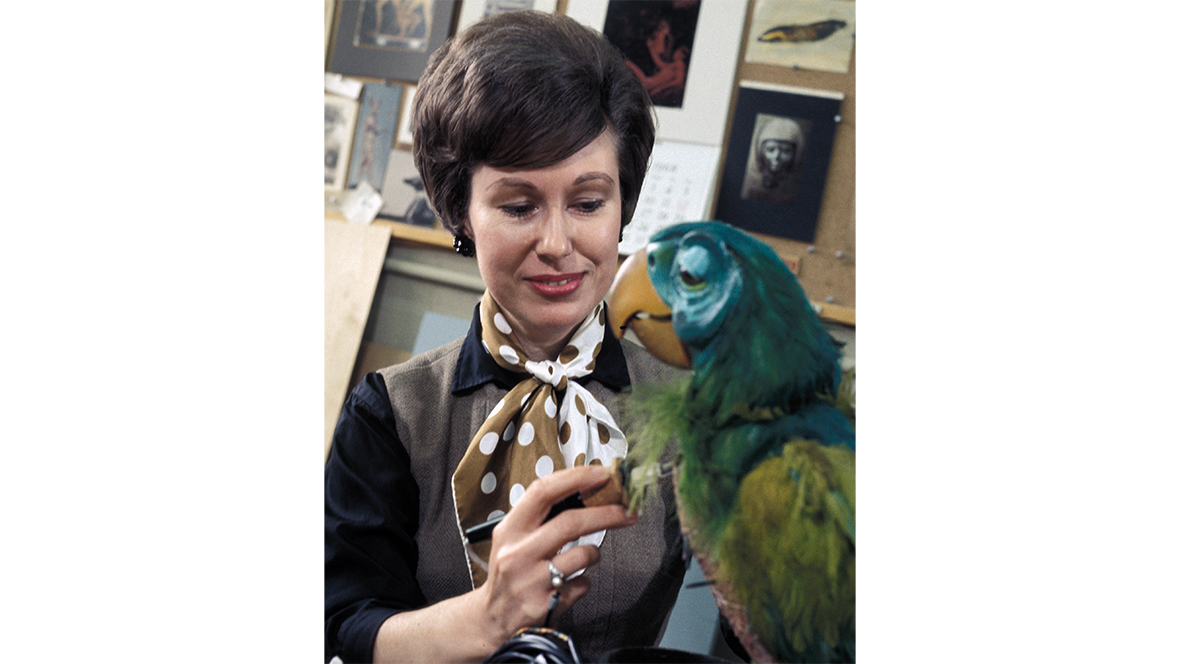
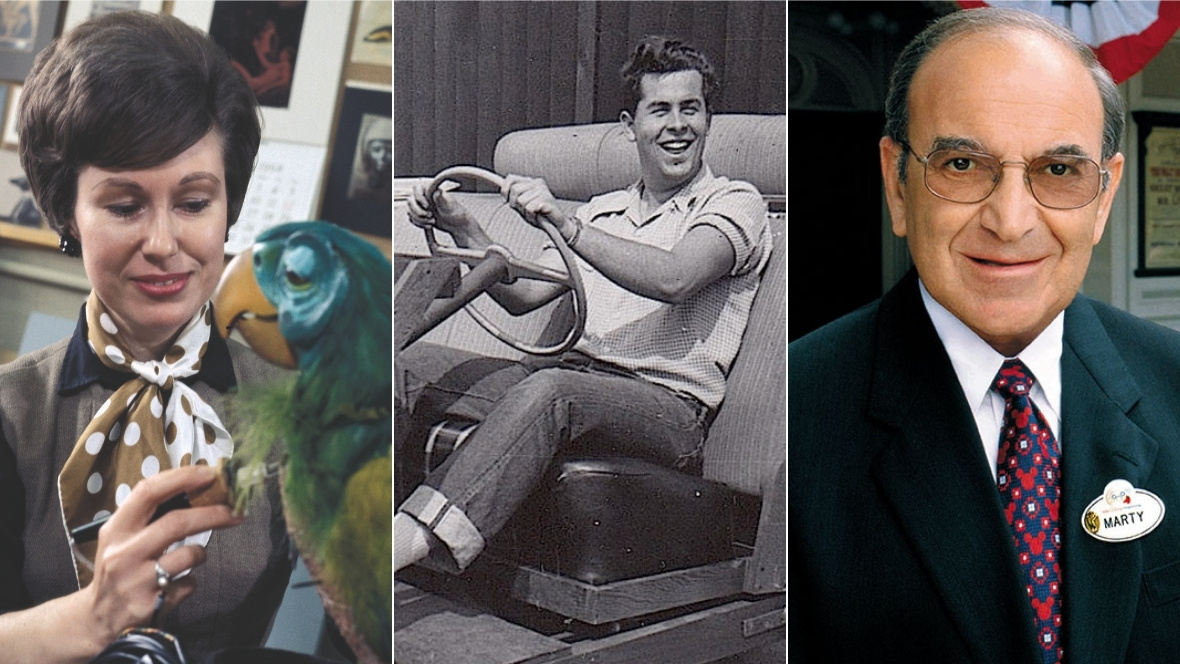
Harriet Burns
As the first woman ever hired by Walt Disney Imagineering in a creative capacity, Harriet Burns helped design, prototype, and build theme park attractions featured at Disneyland, Walt Disney World, and the 1964-1965 New York World’s Fair. Burns first started working for Disney in 1955, painting sets and props for the new Mickey Mouse Club television show; soon, she began coordinating the show’s color styling and even designed and built the famous “Mouse Clubouse” (spelling intentional!). She later joined Walt Disney Imagineering, formerly known as WED Enterprises, where she helped create Sleeping Beauty Castle, New Orleans Square, the Haunted Mansion, and more. She also helped construct Storybook Land, which features miniature villages inspired by Disney animated movies, and designed all the “singing birds” in Walt Disney’s Enchanted Tiki Room, the first Audio-Animatronics® attraction at Disneyland.
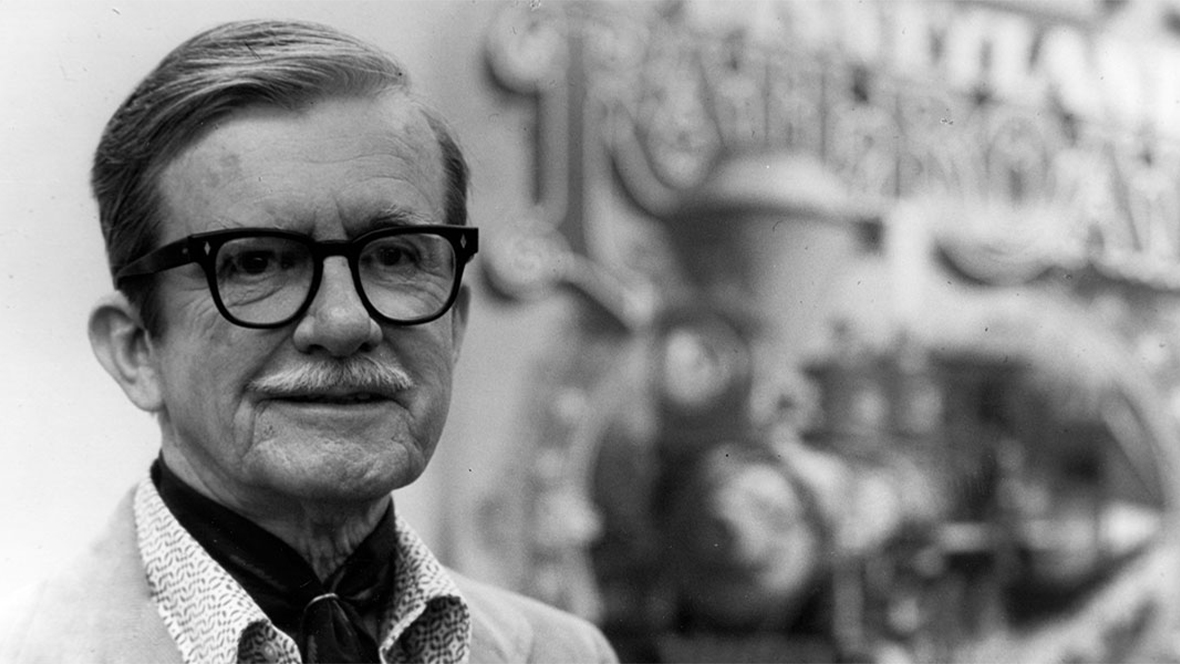
Bill Cottrell
Bill Cottrell, nicknamed “Uncle Bill” by his colleagues, was the first president of WED Enterprises. During the planning and construction phases of Disneyland, Walt relied heavily on Cottrell’s creativity, wisdom, and foresight to make his dream come true. He first started at The Walt Disney Studios in 1929, working cameras before moving into the Story department. He went on to direct the witch and evil Queen’s sequences in Snow White and the Seven Dwarfs (1937) and contributed to story on Pinocchio (1940). During the 1950s, he helped develop storylines and dialog for such Disneyland attractions as Snow White’s Adventures. And we can thank Cottrell for some well-known Disney nomenclature we still use today: as fellow Disney Legend John Hench once recalled, “He encouraged us to quit using the term ‘ride’ and to refer to attractions as an ‘experience,’ which is exactly what they are—‘an experience.”
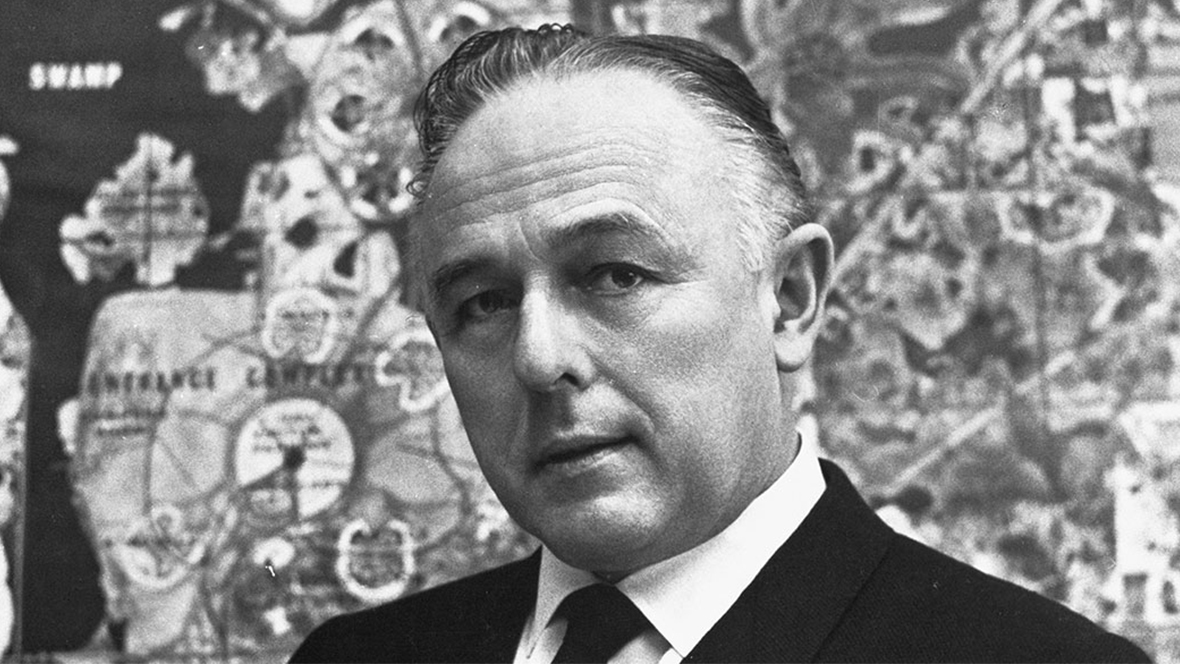
Marvin Davis
New Mexico-born Marvin Davis initially came to Hollywood with a degree in architecture and worked as an art director for 20th Century Fox. But in 1953, Davis was invited by his friend, former Fox art director and fellow future Disney Legend Dick Irvine, to join WED Enterprises—and he went on to help develop the master plan for Disneyland. Over the years, he worked closely with Walt in designing and laying out virtually every aspect of the park’s conceptualization and architecture, including Main Street, U.S.A., New Orleans Square, Sleeping Beauty Castle, the exterior of Haunted Mansion, and more. He would later go back to art direction, working on Disney projects including Babes in Toyland (1961) and Mickey Mouse Club (TV, 1955-1959), before returning to theme park design for the Walt Disney World project.
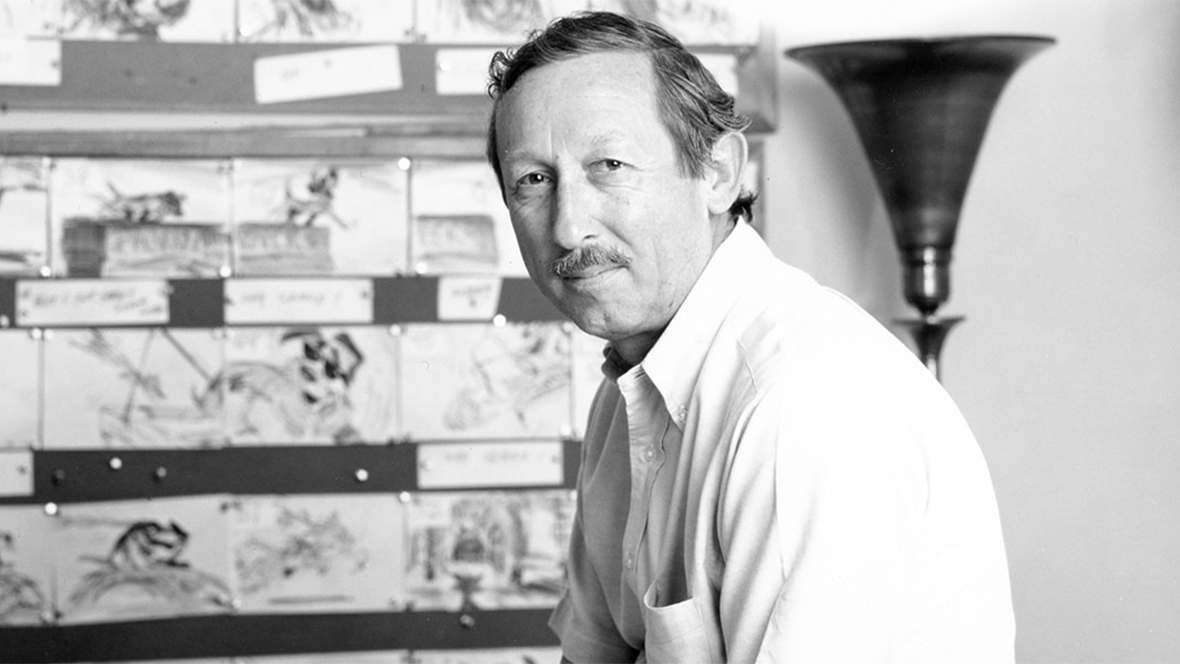
Roy E. Disney
Son of Roy O. Disney and nephew of Walt, Roy E. Disney practically grew up at The Walt Disney Studios—but he didn’t begin his official studio sojourn until 1954, when he became an assistant editor on the successful True-Life Adventures films, including The Living Desert (1953) and The Vanishing Prairie (1954) (both of which won Academy Awards®). He later wrote and co-produced Mysteries of the Deep (1959), which was nominated for an Oscar®. Roy also wrote for television series, including Walt Disney’s Wonderful World of Color and Zorro. He formed his own production unit in 1964 to write, produce, and direct some 35 television and theatrical productions. He joined the Board of Directors in 1967, but left the company in 1977 to become an independent producer and investor. He returned seven years later to serve as the company vice chairman and head of animation. Ultimately, he produced some of Disney’s biggest box office blockbusters—including The Little Mermaid (1989), Beauty and the Beast (1991), and The Lion King (1994). Roy also achieved a long-time dream when he revived one of his uncle’s most colorful visions with Fantasia/2000. In 2010, the feature animation building at The Walt Disney Studios was re-dedicated as the “Roy E. Disney Animation Building,” paying tribute to Roy’s efforts to revitalize the art form.
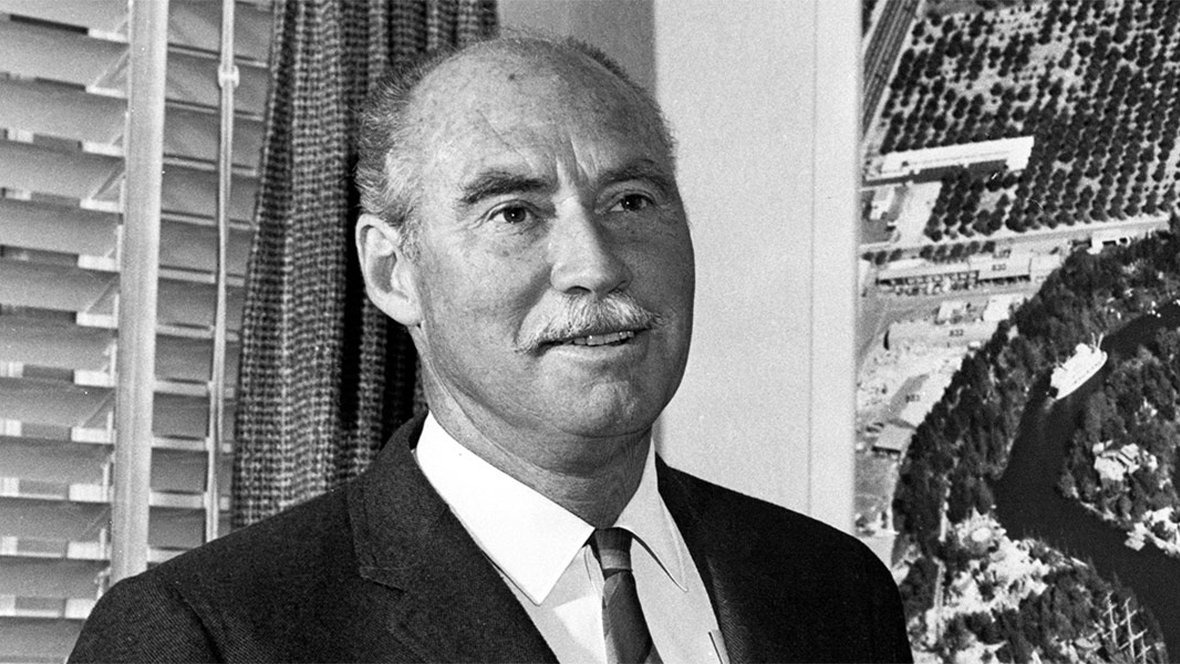
Bill Evans
In 1952, third-generation horticulturist Bill Evans was called to landscape the grounds of Walt Disney’s Holmby Hills home. Two years later, Walt asked Evans and his brother, Jack, “How about you fellows landscape Disneyland for me?” Within a year, Evans helped transform 80 acres of Anaheim orange groves into lush theme park attractions, including the Jungle Cruise. With its canopy of bamboo, ficus, and palms, the two-acre man-made jungle was once described by Evans as “the best darn jungle this side of Costa Rica.” After Disneyland opened in July 1955, he stayed on as a consultant—drawing landscape plans, installing materials and supervising maintenance of the Park. Later, he was named director of landscape architecture, working on Disneyland additions and the master planning for Walt Disney World and EPCOT Center. Even after his retirement in 1975, Evans was called to consult on landscape design for Tokyo Disneyland and many elements of Walt Disney World Resort (including the Polynesian Village Resort hotel, Discovery Island, Typhoon Lagoon, and Disney-MGM Studios Theme Park [now Disney’s Hollywood Studios]). He was also key in selecting plants for Disneyland Paris and Disney’s Animal Kingdom Theme Park.
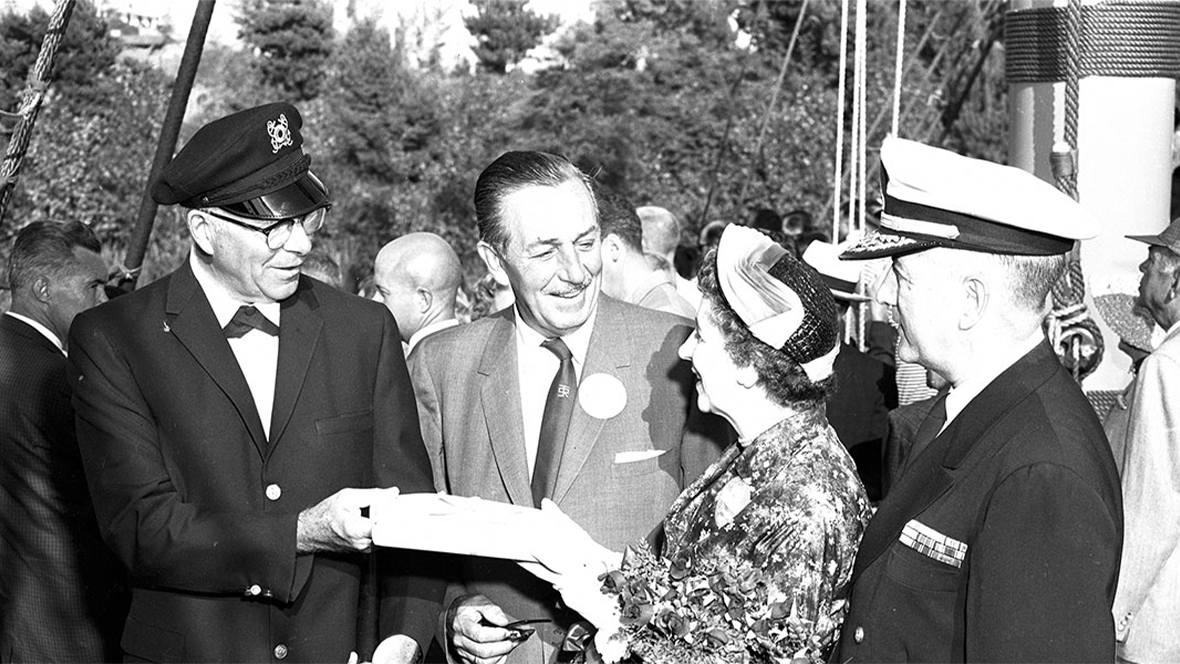
Joe Fowler
Walt Disney personally invited Joe Fowler, a retired ship builder, to lead construction of his latest dream: Disneyland. Fowler was a Navy veteran with a master’s degree in naval architecture… and not long after celebrating his 60th birthday, he met Walt through a mutual friend—and soon began his successful, late-in-life 25-year career with Walt Disney Productions! Fowler oversaw construction of Disneyland and went on to manage its operations after it opened. Appropriately, Walt also cast him as technical advisor of the Academy Award® winning live-action film 20,000 Leagues Under the Sea (1954). During the 1960s and 1970s, he was charged with the incredible task of planning and building Walt Disney World; at one point during “the Florida project,” he held three posts simultaneously: senior vice president, engineering and construction, for Walt Disney Productions; chairman of the board of WED Enterprises, now known as Walt Disney Imagineering; and director of construction for Disney’s Buena Vista Construction Company.
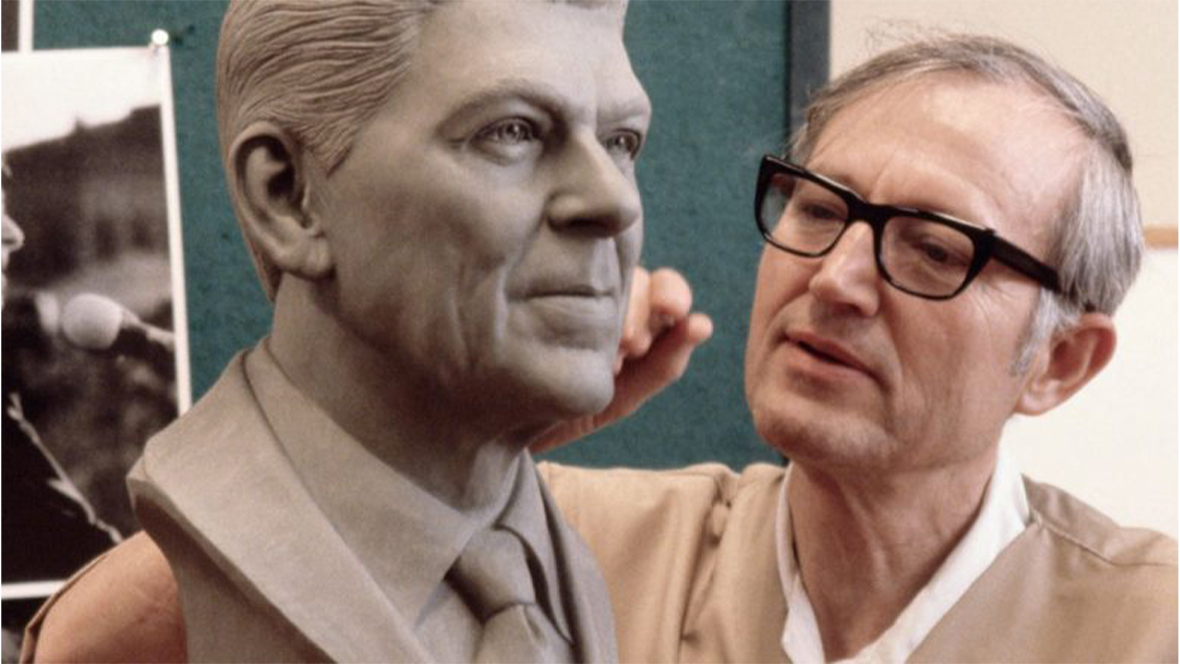
Blaine Gibson
After animating all day at The Walt Disney Studios (a job he’d had since 1939), Blaine Gibson would go home at night and sculpt—a favorite hobby since childhood. Then, in 1954, Walt happened to see one of Gibson’s art exhibits, which featured several animal sculptures, and recruited him to work on special projects for his new theme park, Disneyland. Eventually, he divided his time between sculpting and animating. In 1961, he transferred full-time to WED Enterprises, joining the design and development division to supervise the newly created sculpture department. Ultimately, Gibson went on to make a name for himself in 3-D animation, creating hundreds of sculptures from which Audio-Animatronics® figures and bronzes were produced for exhibits at the 1964-1965 New York World’s Fair and Disney Parks around the world. Among his credits are contributions to such attractions as Great Moments with Mr. Lincoln, Pirates of the Caribbean, Haunted Mansion, Walt Disney’s Enchanted Tiki Room, and The Hall of Presidents at Walt Disney World. Gibson would retire in 1983 but consulted over the years; then, in 1993—the same year he was named a Disney Legend—he created a life-size bronze of Walt and Mickey Mouse standing together. That iconic statue, called “Partners,” is located at the Central Plaza hub in Disneyland, at Disney Parks around the world, and at the Disney studio lot in Burbank, California.
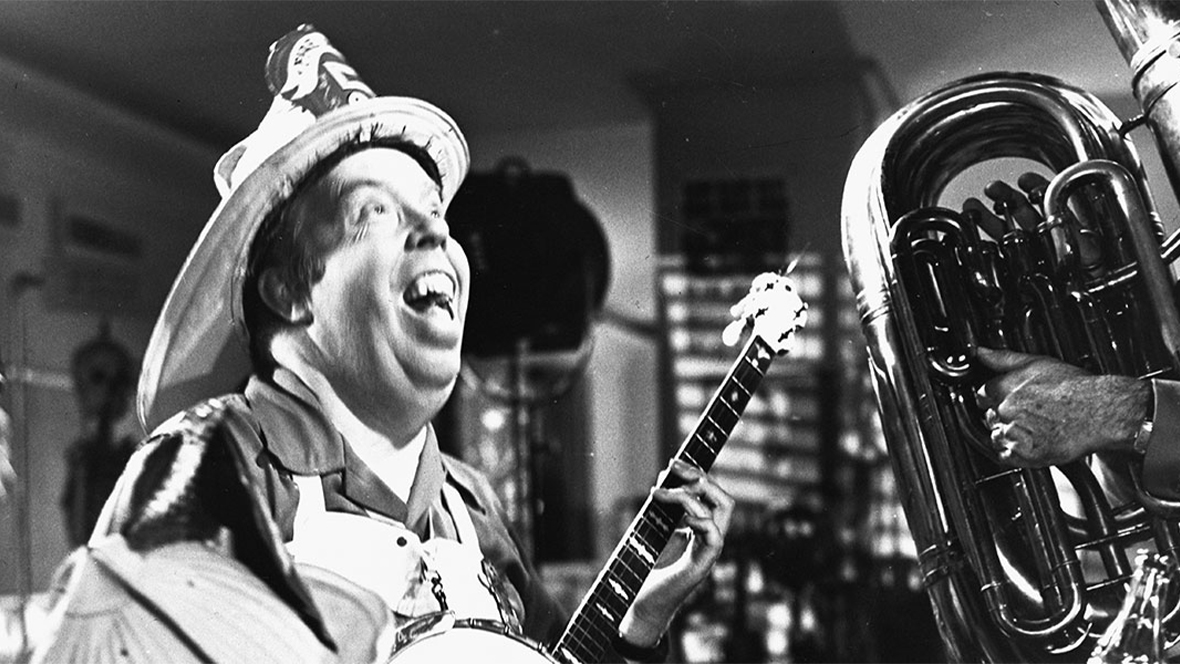
Harper Goff
Harper Goff first met Walt in 1951 at the Bassett-Lowke Ltd. Shop in London; they were both interested in purchasing the same model train set. “He asked me what I do for a living, and I told him that I was an artist. Walt said, ‘When you get back to America, come and talk to me.’” Ultimately, Walt bought the locomotive, while Goff embarked on a journey developing film and Imagineering projects for The Walt Disney Company. Initially, he was hired to sketch storyboards for a True-Life Adventures film to be inspired by Jules Verne’s iconic 20,000 Leagues Under the Sea. Instead, he designed sketches for a potential feature film he envisioned, based on the Vernian classic. After Walt studied the storyboards that Goff designed, The Walt Disney Studios would eventually produce its first all-live-action film made in the United States. (Goff designed the iconic Nautilus submarine for the film as well). He would go on to develop conceptual ideas for Disneyland—including Main Street, U.S.A. and the Jungle Cruise—and worked closely with Walt throughout the design and construction phases of the park. In 1975, Goff also contributed to EPCOT Center, helping to design the layout of World Showcase, and designing concepts for the Japan, Italy, and United Kingdom Pavilions.
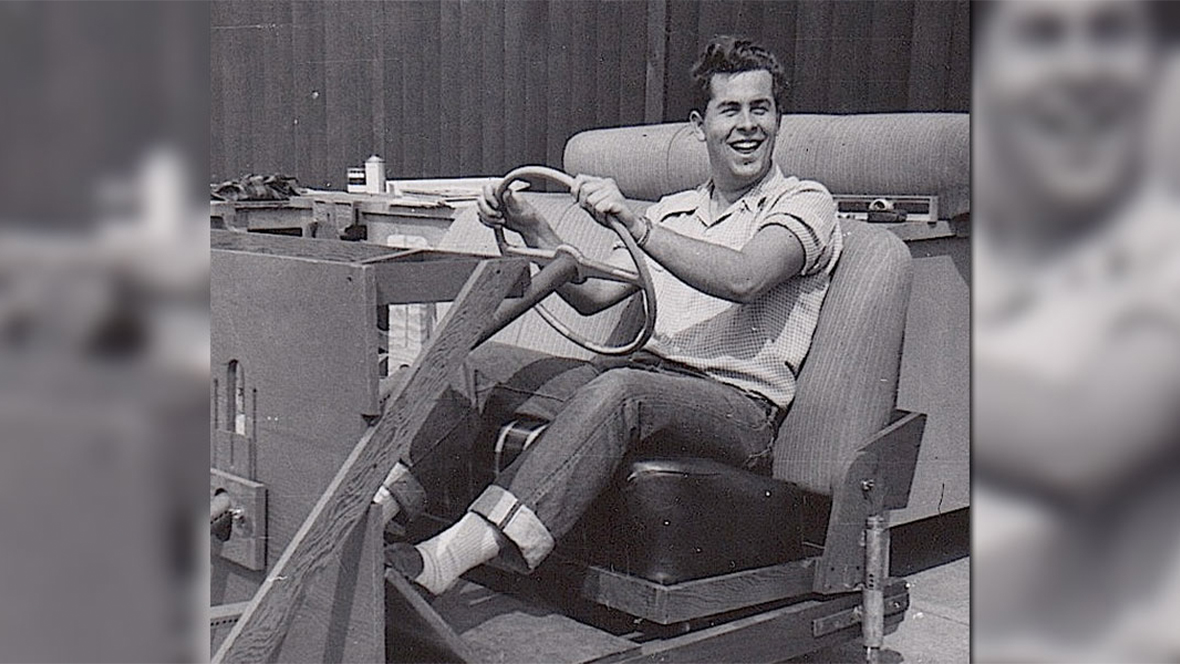
Bob Gurr
After working for Ford Motor Company, industrial designer Bob Gurr was hired by WED Enterprises to consult on the design of miniature cars for Autopia. Walt was so impressed with Gurr’s knowledge and skill that he invited him to join the Imagineering family—which then was solely dedicated to the design and construction of Disneyland. Over the next nearly four decades, Gurr worked transportation magic developing the Flying Saucers attraction in Tomorrowland; the antique cars and double-decker buses of Main Street, U.S.A.; Ford Motor Company’s Magic Skyway, which debuted at the 1964-1965 New York World’s Fair; the Matterhorn Bobsleds; the Monorail at Disneyland and Walt Disney World; and more. He also helped design the mechanical workings of Disney’s first Audio-Animatronics® human figure, Abraham Lincoln, featured in Great Moments with Mr. Lincoln. All told, Gurr developed more than 100 designs for attractions. As of this writing, he recently celebrated his 94th birthday.
John Hench
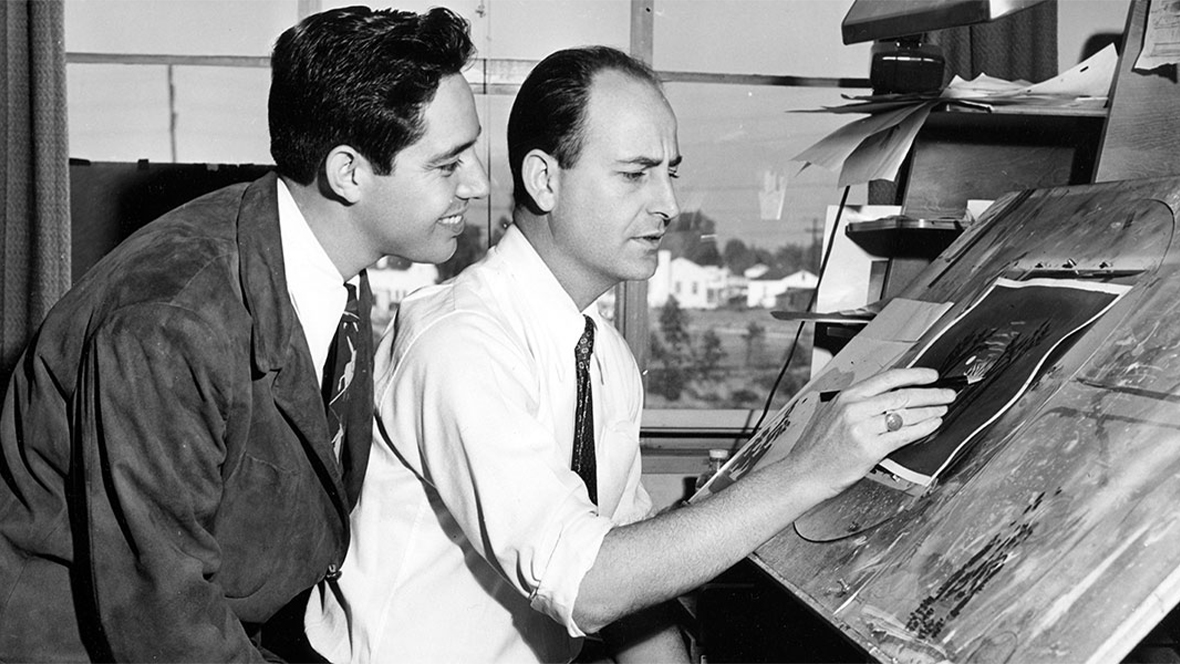
In 1939, John Hench joined The Walt Disney Studios as a sketch artist in the story department, working first on Fantasia (1940). Always eager to learn, he accepted a variety of tasks over the years, including painting backgrounds on Dumbo (1941) and creating layouts for The Three Caballeros (1945). His other film credits include art supervision on Make Mine Music (1946); cartoon art treatments for So Dear to My Heart (1949), color and styling for Peter Pan (1953); and animation effects for The Living Desert (1953). In 1954, his special effects work on 20,000 Leagues Under the Sea earned him an Academy Award®. That same year, he began working at WED Enterprises—and his first assignment was to design attractions for the original Tomorrowland in Disneyland. He worked on attractions for the 1964-1965 New York World’s Fair before going on to help master plan Walt Disney World and Tokyo Disneyland. Hench was a key figure in the conceptualization and creation of EPCOT Center and developed ideas for other theme parks including Disney’s California Adventure, Disney’s Animal Kingdom, and Tokyo DisneySea. He was also Mickey Mouse’s official portrait artist—having painted Mickey’s commemorative portrait for his 25th (1953), 50th (1978), 60th (1988), 70th (1998), and 75th (2003) birthdays. Hench was still a full-time Disney employee when he passed away in 2004.
Richard Irvine
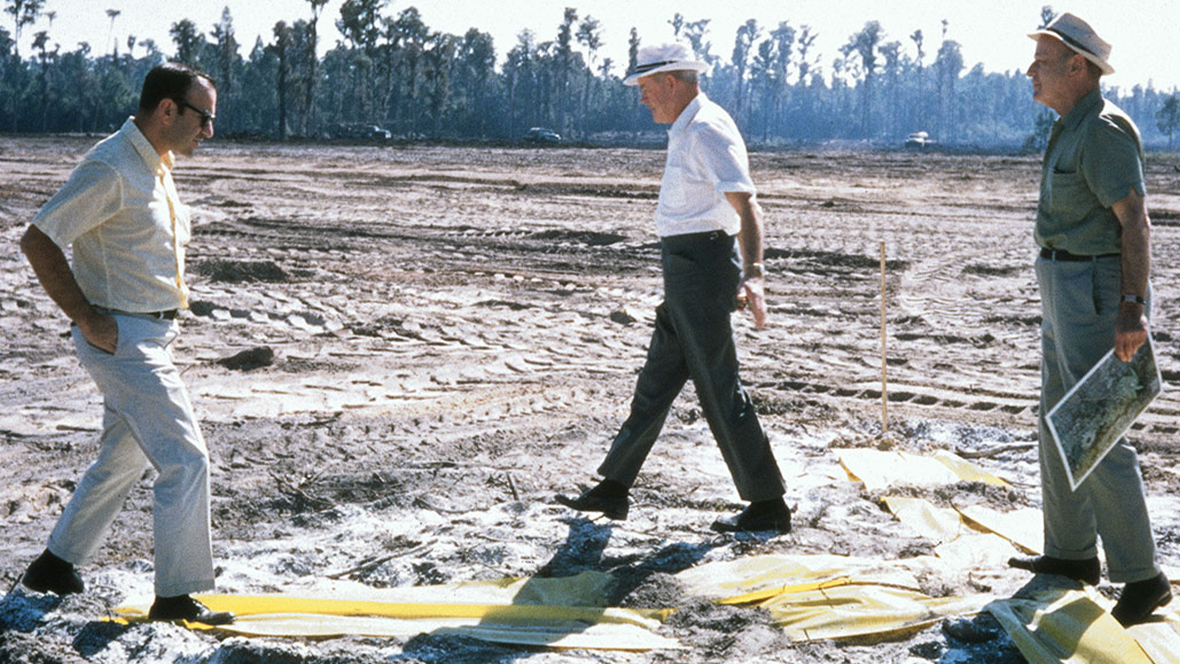
In 1952, Walt Disney hired art director Richard Irvine away from 20th Century Fox to act as liaison between Walt Disney Productions and an architectural firm being considered to design Disneyland. After a few preliminary meetings with the architects, however, Irvine and Walt concluded that the people who could best design Disneyland were members of Walt’s own staff. Irvine was convinced that Disney film artists, art directors, and technicians—with their imaginative know-how and theatrical experience—could produce an outstanding theme park. So Walt proceeded with his own staff, forming what is now known as Walt Disney Imagineering. Until his retirement in 1973, Irvine headed design and planning for all Disneyland attractions, ranging from Haunted Mansion to Pirates of the Caribbean. He also guided the creation of attractions featured at the 1964-1965 New York World’s Fair, including “it’s a small world.” He went on to help shape the master plan and attractions for Walt Disney World and, in 1967, was appointed executive vice president and chief operations officer of WED Enterprises.
Fred Joerger
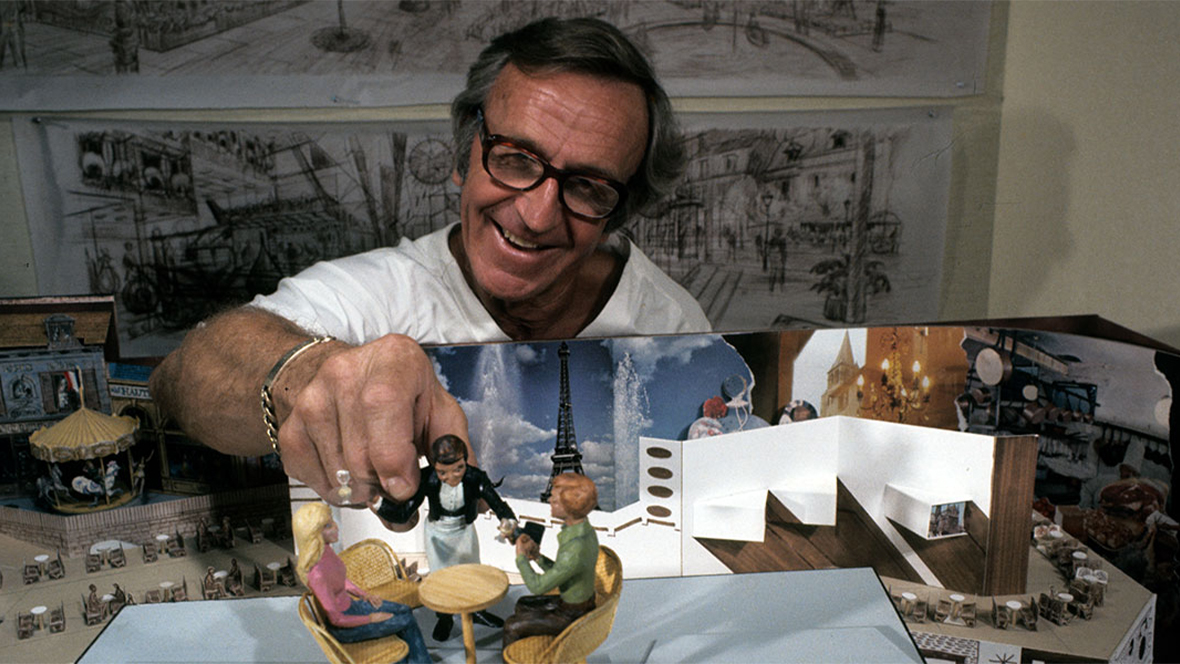
In 1953, as Walt began planning Disneyland, fine artist Fred Joerger joined the Company crafting decorative backgrounds for “Project Little Man.” This experiment featured a nine-inch-tall mechanical man dancing on a vaudeville stage, and a miniature singing barbershop quartet. The animated figures were the first step toward creating Audio-Animatronics® figures later featured in Disney attractions including Great Moments with Mr. Lincoln. Joerger and Disney Legends Harriet Burns and Wathel Rogers comprised the original “model shop” when Walt began developing Disneyland. As Burns remembered: “Most anything at Disneyland, Fred created as a model first.” In addition to his model skills—which helped define projects in concept development—Joerger established the standards for field art direction, assuring that attractions ranging from Pirates of the Caribbean to Submarine Voyage achieved “the look,” as designed by Walt Disney Imagineering art directors. He was also Imagineering’s “resident rock expert”; among his highlights are the huge stones featured on the Jungle Cruise and Big Thunder Mountain Railroad at both Disneyland and Walt Disney World. In fact, he designed and constructed most all rockwork at the Florida theme park for its 1971 opening, including the original atrium waterfall featured at the Polynesian Village Resort.
Art Linkletter
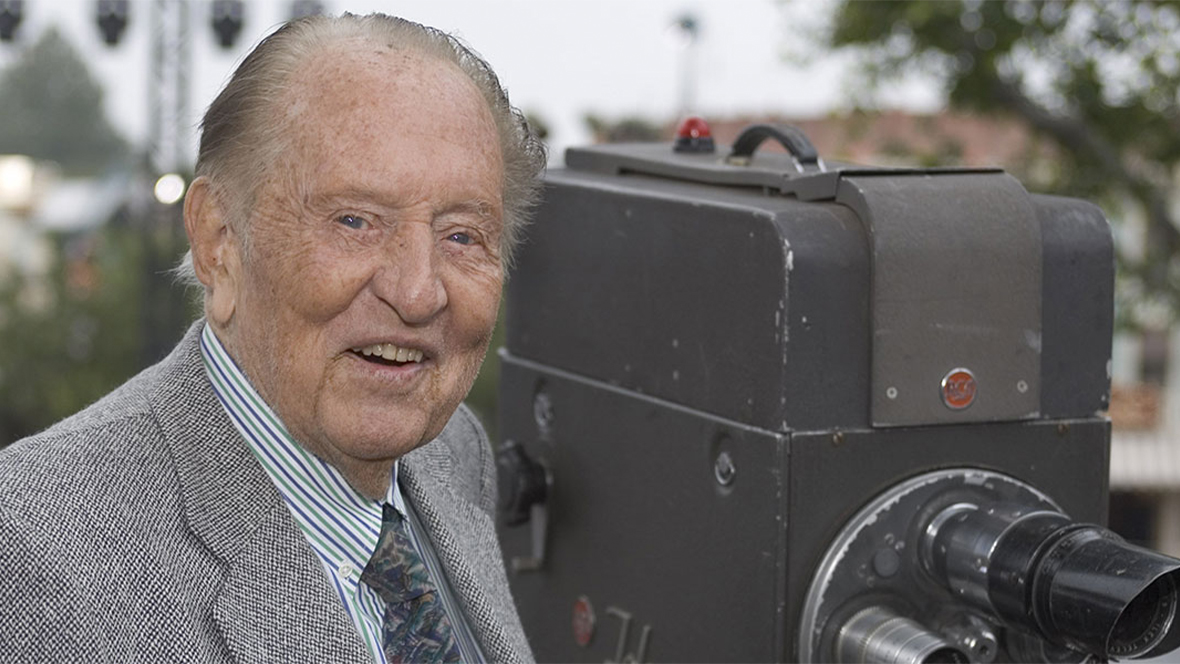
Walt scored big in getting Art Linkletter as the primary host for his gala live broadcast of the opening of Disneyland. Linkletter was a familiar and welcome visitor in American households; at the time, he had five shows running concurrently on network TV. Plus, Linkletter starred in and co-produced many spectaculars and specials, and acted in half a dozen TV dramas and several films. The one problem on opening day was that the Park had stretched Walt so thin financially, he could only afford to pay Linkletter “union scale” for the job. A savvy businessman, in lieu of his fee, Linkletter asked for (and received) the exclusive rights to the camera and film concessions at Disneyland for the next 10 years.
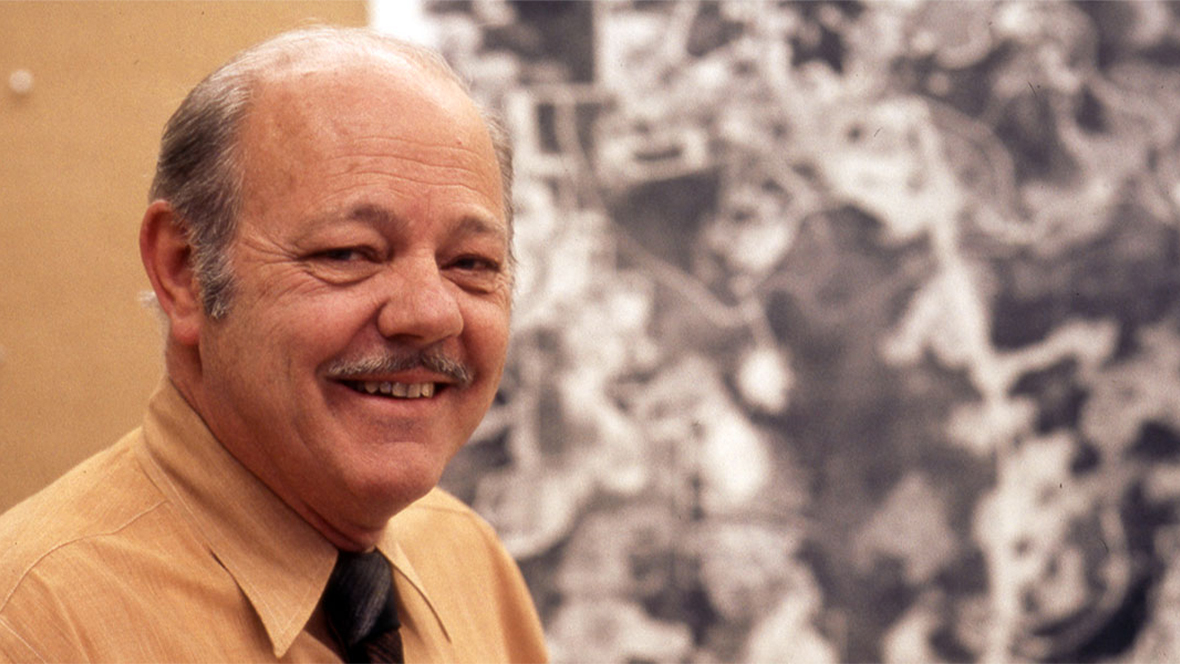
Bill Martin
In 1953, while working as a set designer at 20th Century Fox, Bill Martin received a surprise phone call: Walt Disney was seeking help to create his new theme park, Disneyland. Eager to expand his talents, Martin accepted the challenge. Appreciating Martin’s creative genius, Walt named him art director of Fantasyland; among his contributions included the layout of each Fantasyland attraction (including Sleeping Beauty Castle, Snow White’s Adventures, and Peter Pan’s Flight), and, later, the Disneyland-Alweg Monorail System’s course around the Park. He also contributed design elements to Carnation Plaza Gardens, Bear Country, New Orleans Square, Pirates of the Caribbean, Autopia, and Haunted Mansion. In 1971, Martin was named vice president of design at WED Enterprises, overseeing the master layout of the Magic Kingdom for Walt Disney World. His design projects included Main Street, U.S.A., Cinderella Castle, the “Utilidors” beneath the Magic Kingdom, and the canal systems which crisscross Walt Disney World’s vast 27,000-acre property. He also designed various watercraft, including the Admiral Joe Fowler and Richard F. Irvine riverboats (named after two fellow Legends), steam launches, and side-wheel steamboats.
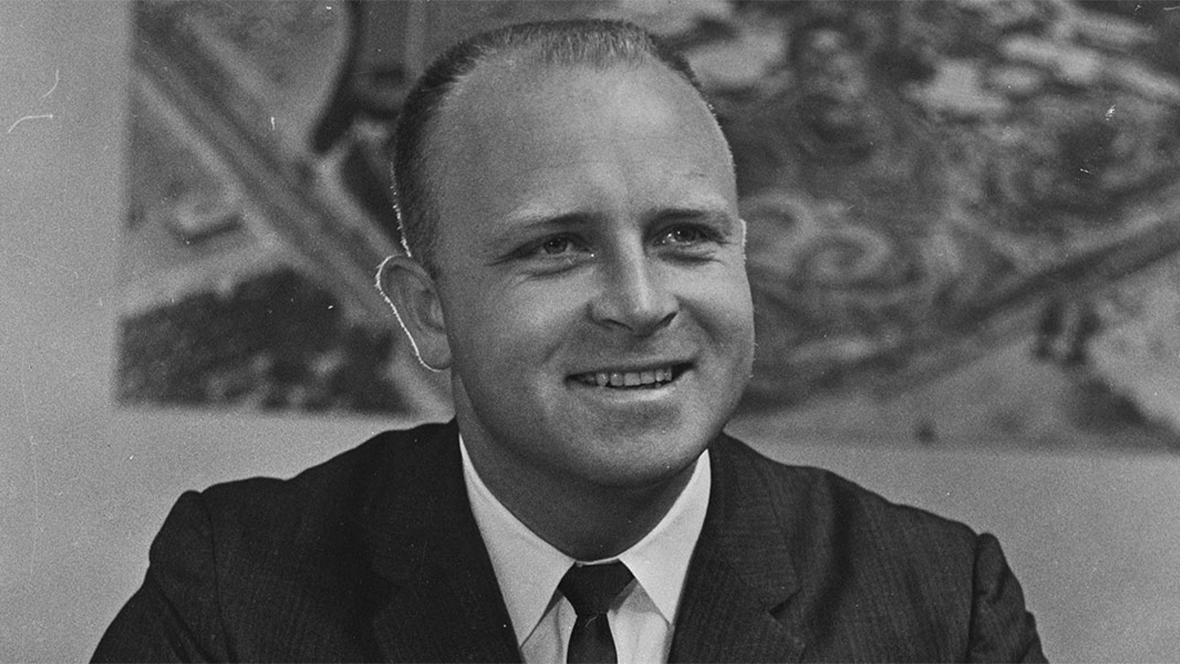
Dick Nunis
Dick Nunis first learned about Disneyland through his University of Southern California classmate, Ron Miller, who was Walt’s son-in-law. On a lark, he decided to apply for a summer job at the new theme park and was hired by Van France, founder of The Disney University and author of the Park’s orientation and training program. Just prior to the park’s July 17, 1955, opening, the duo began training Disneyland employees. Among members of their first class were Walt and his executives. Nunis soon worked his way up to attractions supervisor, developing standard operating procedures for all Park attractions; many of these are still in use today. In 1961, he became director of park operations and helped develop “Project X,” later known as Walt Disney World. From 1967 to 1974, Nunis also served as chairman of the Park Operations Committee, and, in 1968, was bumped up to vice president of operations. By 1971, the year the Magic Kingdom opened at Walt Disney World, he was named executive vice president of Walt Disney World and Disneyland. In 1980, a month after his 25th anniversary with Disney, he was named president of the Outdoor Recreation Division—overseeing Walt Disney World, EPCOT Center and, later, the Disney-MGM Studios Theme Park. He also consulted on plans for Disneyland Paris and Tokyo Disneyland while serving on The Walt Disney Company Board of Directors.
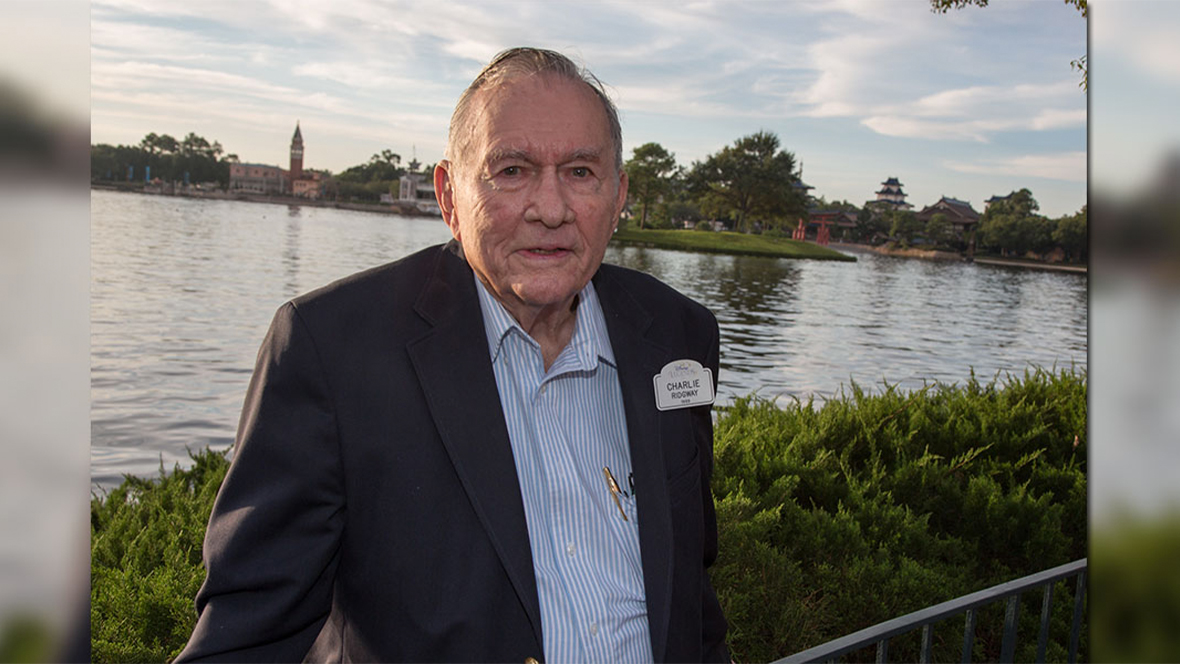
Charlie Ridgway
Before he was ever hired as a cast member, Charlie Ridgway promoted Disneyland as a news reporter. During 1954 and 1955, while the Park was under construction, he authored some of the first articles about Disneyland to appear in any of the major metropolitan newspapers. He also covered Disneyland’s grand Opening Day celebration on July 17, 1955. Eight years later, he joined the Park’s publicity staff. Once there, he assisted with the planning and logistics of more than 150 major press events. Among the most memorable moments of his career, Ridgway recalled a 1964 dinner hosted by Walt at Disneyland for the United States Olympic Team; it was attended by press and celebrities alike, including comedian Bob Hope. Ridgway was promoted to Disneyland’s publicity supervisor in 1966, then publicity manager in 1969; later, he was named director of press and publicity for the then-under construction Walt Disney World project. He helped launch the opening of Walt Disney World in 1971 and EPCOT Center in 1982, and helped open Disneyland Paris in 1992.
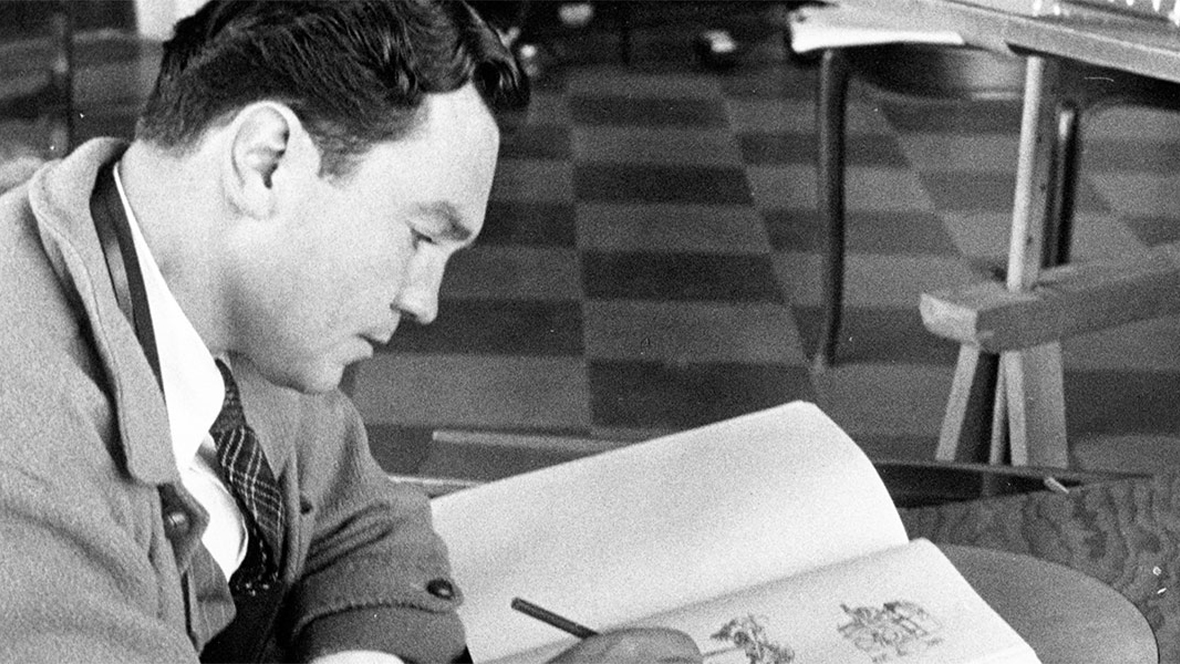
Herb Ryman
Fine artist Herb Ryman met Walt for the first time in 1938 at a gallery exhibit of his work. Walt was so impressed with the paintings on display that he invited Ryman to join the Walt Disney Studios. While he went on to serve as an art director for such feature-length animated classics as Fantasia (1940) and Dumbo (1941), Disneyland became the centerpiece of Ryman’s Disney career. Among his contributions were designs for Main Street, U.S.A., Sleeping Beauty Castle, and New Orleans Square. In 1988, his 1964 painting of New Orleans Square was selected by the State Department for display at the U.S. Embassy in Paris. Ryman also contributed concepts for the Jungle Cruise, Pirates of the Caribbean, and for attractions featured at the 1964-1965 New York World’s Fair, including Great Moments with Mr. Lincoln. He retired in 1971 only to return a few years later as a full-time consultant, sketching numerous conceptual drawings for EPCOT Center. His work for that Park included detailed renderings as well as inspirational paintings for the American Adventure and China pavilions, among others. He also developed the popular Hall of Presidents at Walt Disney World and the Meet the World attraction at Tokyo Disneyland.
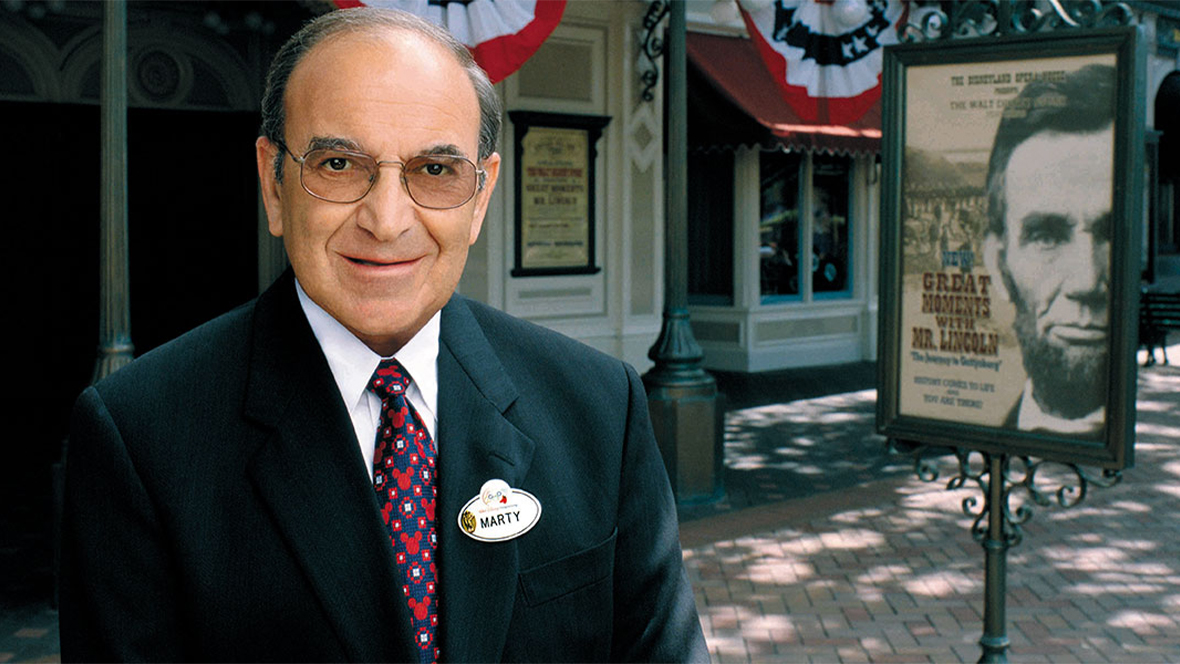
Marty Sklar
In July 1955, as student editor of the Daily Bruin at University of California Los Angeles, Marty Sklar was recruited to help create an 1890-themed tabloid newspaper—The Disneyland News—which was to be sold along Main Street, U.S.A., during the Park’s debut year. Ultimately, after completing his education, Sklar returned to Disneyland publicity and marketing. There, he established Vacationland magazine. He joined WDI in 1961 as part of a team assigned by Walt to develop industry-sponsored shows and pavilions for General Electric, Ford, Pepsi-Cola and UNICEF, and the State of Illinois at the 1964-1965 New York World’s Fair. Ever since, Sklar served as a key representative working with American industries in developing and sponsoring attractions for Disney Parks and resorts around the globe. He first became an Imagineering officer in 1974 when appointed vice president, concepts and planning, a role in which he guided creative development of EPCOT Center at Walt Disney World Resort. In 1979, he was named vice president of creative development, followed by executive vice president in 1982. He served as president and vice chairman from 1987 to 1996, providing leadership for the Imagineering creative staff and delivering entertainment concepts for Disney parks and resorts including Disneyland Paris, Tokyo Disney Resort, and Hong Kong Disneyland. In 2001, the Company honored Sklar with a special award for 45 years of service and leadership. After the 50th anniversary of Disneyland in 2005, he transitioned into a new role as Imagineering’s international ambassador. He is the only person to have attended the grand openings of all Disney Parks.